
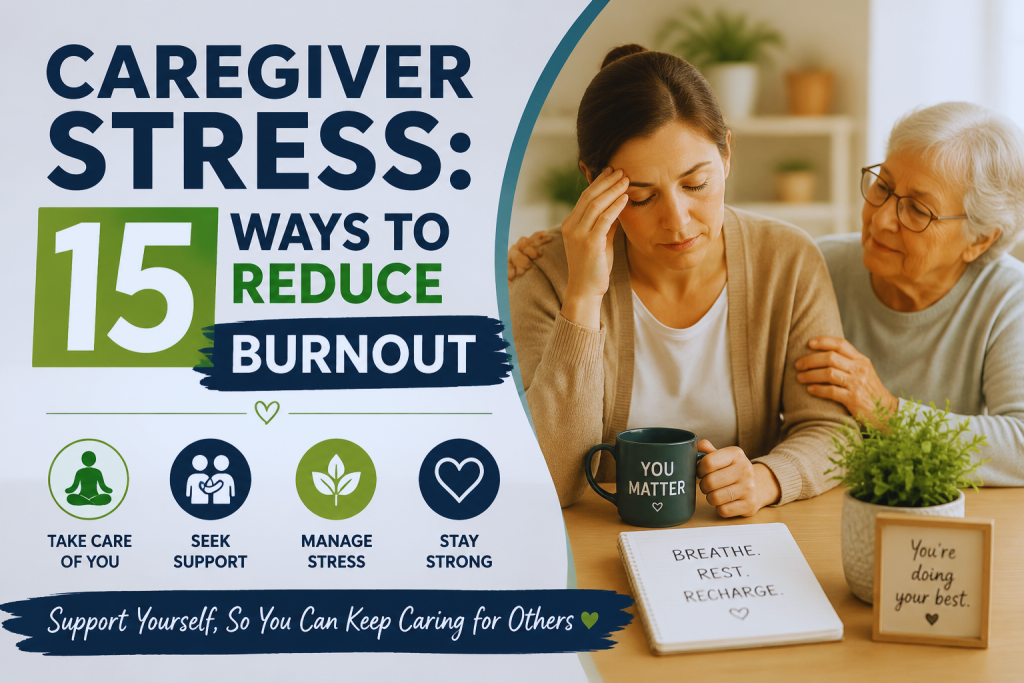
What Is Caregiver Stress?
Caregiver stress is the pressure that people feel when they take care of a family member, friend, or loved one who needs help all the time. Taking care of someone can be a responsibility that is filled with love, but it can also be too much to handle when it goes on for a long time without any help.
Many caregivers spend all their time thinking about the person they are taking care of and forget about their health and feelings. They have to manage doctors’ appointments, daily tasks, medicine, household chores, and emotional problems, which can be very stressful. Over time, this stress can affect the caregiver’s health, relationships, and overall quality of life.
It is essential to understand caregivers stress so that caregivers can do something about it before it becomes too much to handle. While it is normal to feel stressed sometimes when taking care of someone, feeling emotionally exhausted and unable to cope all the time can be a sign of a problem that needs attention.

Difference Between Normal Caregiver Stress and Caregiver Burnout
It usually comes and goes depending on the daily challenges. A caregiver might feel tired after a day, but they can recover after getting some rest or help. However, caregivers burnout happens when stress becomes a long-term problem and starts affecting the caregiver’s physical and mental well-being.
Caregiver burnout often includes feelings of exhaustion, hopelessness, frustration, and a loss of interest in things that used to be enjoyable. Unlike stress, burnout can make caregivers feel emotionally disconnected and unable to take care of their responsibilities effectively.
Recognizing the difference between caregivers stress and burnout helps caregivers understand when they need support, rest, or professional help.
Why Caregivers Often Ignore Their Needs
Many caregivers put the needs of their loved ones above their own because they feel responsible for taking care of them. Some caregivers think that taking time for themselves is selfish, while others feel that asking for help.
Ignoring needs for too long can hurt a caregiver’s mental health. Without rest, emotional support, and healthy habits, caregivers might experience more anxiety, depression, and physical exhaustion.
Taking care of oneself is not a luxury; it is a part of maintaining the energy and emotional strength needed to take care of someone else.
Why Caregiving Can Become
Caregiving can be stressful for many reasons. Although helping a loved one can be satisfying and fulfilling, the constant responsibilities can create pressure that’s hard to manage. Every caregiver’s experience is different. Emotional challenges, physical demands, and financial concerns are common sources of stress.
Emotional Challenges of Caring for a Loved One
One of the causes of caregivers stress is the emotional responsibility of taking care of someone. Watching a loved one struggle with illness, aging, disability, or memory problems can create feelings of sadness, worry, and helplessness.
Many caregivers feel guilty because they think they are not doing enough, even when they are providing support. They might also feel frustrated when their loved one’s condition does not improve or when caregiving responsibilities become unpredictable.
Changes in relationships can also increase pressure. A caregiver might find that their role has changed from being a spouse, child, or friend to becoming a full-time helper. This adjustment can be. Might create feelings of loneliness or emotional exhaustion. Learning how to manage these emotions is a part of protecting caregiver mental health and preventing long-term burnout.
Physical and Daily Responsibilities
Caregiving often involves physical tasks that can become exhausting over time. Depending on the needs of the person receiving care, caregivers might have to manage transportation, medicine schedules, personal hygiene, meals, household tasks, and doctors’ appointments.
These daily responsibilities can leave caregivers with time for themselves. Lack of sleep, constant activity, and physical demands might lead to tiredness, weakness, and more health problems.
When caregivers ignore their physical needs, their ability to take care of someone else might also decline. Maintaining health and practicing caregiver self-care helps create a healthier balance between supporting others and protecting oneself.
Financial and Work-Related Pressure
Financial concerns are another contributor to caregivers stress. Some caregivers have to reduce their working hours, leave their jobs, or manage expenses related to medical care and daily support.
Balancing work with caregiving responsibilities can create pressure. Caregivers might struggle to meet workplace expectations while also being available for their loved ones’ needs.
Planning finances, exploring resources, and communicating responsibilities with family members can help reduce some of these challenges. Understanding that caregivers also need support is a step toward learning how caregivers can avoid burnout.
Signs and Symptoms of Caregiver Stress
Recognizing the warning signs of caregivers stress is crucial for preventing emotional and physical problems. Many caregivers become so focused on helping others that they fail to notice changes in their health.
The symptoms of stress might appear gradually, making them easy to ignore. Paying attention to emotional and behavioral changes can help caregivers take action before stress becomes overwhelming.
Physical Signs of Caregiver Stress
It can have an impact on physical health. Constant responsibility and emotional pressure might cause caregivers to experience tiredness, low energy, and difficulty maintaining healthy routines.
Sleep problems are common among caregivers who provide nighttime assistance or worry about their loved one’s condition. Poor sleep can increase exhaustion. Make daily challenges feel even more difficult.
Changes in appetite, weight, and eating habits might also occur. Some caregivers might skip meals because they are too busy, while others might use food as a way to cope with stress.
Frequent illness or a weakened immune system can also be a sign that stress is affecting the body. Taking care of one’s physical health is an essential part of caregivers stress relief.
Mental Signs of Caregiver Stress
The emotional effects of caregiving can be just as challenging as the physical demands. Many caregivers experience anxiety, excessive worrying, sadness, or frustration as they manage responsibilities.
Feeling overwhelmed is one of the common signs of caregivers stress. A caregiver might feel that there are many tasks and not enough time or support to complete everything.
Irritability and anger can also occur when stress builds up over time. Caregivers might become frustrated with problems because they are already emotionally exhausted.
Other emotional warning signs include losing interest in hobbies, avoiding activities, and feeling disconnected from friends and family. These changes can negatively affect caregiver health and increase the risk of burnout.
Understanding Caregiver Burnout
What Is Caregiver Burnout?
Caregiver burnout is a state of emotional and mental exhaustion caused by prolonged caregivers stress. It often develops when caregivers continuously give support to others without taking time to care for themselves.
Burnout can make caregivers feel emotionally drained, hopeless, or unable to continue their responsibilities. It does not mean someone does not care about their loved one; instead, it shows that their own needs have been neglected for a long time. Understanding burnout allows caregivers to recognize when they need help, rest, and additional resources.
How Prolonged Stress Develops Into Burnout
Caregivers burnout usually does not happen suddenly. It develops gradually as stress continues without recovery. Constant responsibilities, lack of sleep, emotional pressure, and limited support can slowly reduce a caregiver’s ability to cope.
Over time, caregivers might begin feeling disconnected, frustrated, or exhausted. They might stop enjoying activities they once loved and feel trapped by their responsibilities.
Why Caregivers May Not Recognize Burnout
Many caregivers do not recognize burnout because they believe their feelings are normal. They might compare themselves to others. Feel they should be stronger.
Some caregivers avoid asking for help because they feel guilty or believe nobody else can provide the level of care. However, accepting support is one of the important steps in protecting personal health and learning how caregivers can avoid burnout.
Common Causes of Caregiver Burnout
Several factors can increase the risk of caregivers burnout. Understanding these causes can help caregivers make changes before stress becomes overwhelming.
A lack of practical support is one of the biggest causes. When caregivers feel alone in their responsibilities, they are more likely to experience exhaustion. Long-term caregiving responsibilities can also increase stress, especially when a loved one requires assistance for months or years.
Ignoring needs, skipping self-care, and setting unrealistic expectations can further contribute to burnout. Caregivers often believe they must handle everything perfectly. This mindset can create unnecessary pressure.
Long-Term Effects of Caregiver Burnout
If it is not addressed, it can affect areas of life. Long-term stress may increase the risk of health problems, emotional struggles, and reduced quality of life. Burned-out caregivers might experience depression, anxiety, relationship difficulties, and difficulty managing responsibilities.
Their ability to provide care might also be affected because they no longer have emotional or physical energy. Preventing burnout through caregiver self-care, support systems, and healthy coping strategies helps both caregivers and the people they support.

15 Proven Ways to Reduce Caregiver Stress and Prevent Burnout
1.Prioritize Caregiver Self-Care
One of the effective ways to manage caregivers stress is to make caregiver self-care a priority. Many caregivers believe their own needs should come last. Neglecting personal health can make caregiving more difficult.
Taking time for oneself helps restore energy, improve balance, and strengthen the ability to support a loved one. Simple habits such as getting rest, enjoying hobbies spending time with friends, and maintaining healthy routines can make a significant difference. Self-care is not selfish; it is a part of preventing caregivers burnout and maintaining long-term caregiving success.
2.Accept Your Feelings and Emotions
Caregiving can bring different emotions, including sadness, frustration, guilt and stress. Accepting these feelings of ignoring them can improve emotional well-being. Caregivers should understand that difficult emotions do not mean they are failing. Feeling overwhelmed at times is a response to challenging situations.
Practicing self-compassion is really important for caregivers. It allows caregivers to treat themselves with the kindness they provide to others, the same kindness that caregivers give to their loved ones. This approach supports caregiver mental health and reduces emotional pressure on caregivers.
3.Build a Strong Support Network
Having support from family members, friends, and caregiver communities can greatly reduce stress on caregivers. Caregivers do not have to manage every responsibility, which is a big help to caregivers.
Sharing responsibilities, discussing challenges, and connecting with others who understand caregiving experiences can provide relief to caregivers. A strong support network helps caregivers feel less isolated and provides assistance during difficult times that caregivers face.
4.Take Breaks Through Respite Care
Respite care provides temporary relief by allowing another person or professional service to assist with caregiving responsibilities, giving caregivers a break. These breaks give caregivers time to rest, handle tasks, or simply recharge, which is essential for caregivers.
Regular breaks are essential for preventing exhaustion and maintaining health, which is crucial for caregivers. Respite care is a caregivers stress relief strategy because it allows caregivers to continue supporting their loved ones without sacrificing their own well-being the well-being of caregivers.
5.Maintain Your Physical Health
Taking care of your body is a part of managing caregivers stress, the stress that caregivers experience. Eating meals, exercising regularly, getting enough sleep, and attending personal medical appointments help maintain energy and strength, which caregivers need.
When caregivers protect their health, they are better prepared to handle daily challenges and avoid burnout, which caregivers often face.
6.Protect Your Caregiver’s Mental Health
Protecting caregiver mental health is essential for the well-being of caregivers. Caregivers can use relaxation techniques, mindfulness, deep breathing exercises, journaling, or professional counseling to manage pressure the pressure that caregivers are under.
Learning ways to handle stress improves resilience and helps caregivers maintain a positive mindset while facing challenges the challenges that caregivers encounter.
By focusing on supporting self-care habits and stress management strategies, caregivers can reduce burnout and create a healthier caregiving experience, a better experience for caregivers. Caregivers Stress Management, Self-Care and Burnout Prevention
After understanding the causes, symptoms, and six strategies for managing caregivers stress, it is important to continue exploring practical ways to protect your health while caring for someone else, which is what caregivers do. Caregiving requires patience, emotional strength, and dedication. Caregivers also need support, rest, and healthy coping strategies that help them.
7.Set Realistic Expectations
One of the important steps in reducing caregivers stress is learning to set realistic expectations that caregivers have. Many caregivers put pressure on themselves to provide care, solve every problem, and manage every responsibility without assistance, which is not realistic for caregivers. Accepting that you cannot do everything by yourself is a sign of strength, not failure, a sign of strength for caregivers.
Every caregiver has limits, and recognizing those limits allows you to focus on what matters, what matters to caregivers. Asking for support from family members, friends, or professional services can reduce stress. Prevent emotional exhaustion, the exhaustion that caregivers feel.
8.Learn Better Caregiving Skills
Education and preparation can make caregiving less stressful for caregivers. Understanding your loved one’s condition, symptoms, treatments, and daily needs can increase your confidence. Help you make better decisions that affect caregivers.
Many caregivers experience stress because they feel uncertain about what they should do in situations that they face. Learning about conditions, communication techniques, and caregiving strategies can reduce fear and improve your ability to handle challenges the challenges that caregivers encounter.
9.Manage Your Time
Poor time management can increase caregiver stress because daily responsibilities may feel overwhelming to caregivers. Creating a schedule can help caregivers organize tasks, reduce confusion, and make time for personal needs and the needs of caregivers.
A caregiving schedule can include appointments, medication reminders, household responsibilities, and personal activities that caregivers need to do. Prioritizing tasks allows caregivers to focus on urgent needs while avoiding unnecessary pressure, pressure that caregivers are under.
10.Communicate Your Needs Clearly
Many caregivers struggle with stress because they do not clearly express what they need, what caregivers need. They may assume others should understand their challenges or avoid asking for help because they do not want to inconvenience anyone who can help caregivers.
Open communication with family members, friends, and healthcare providers can make caregiving easier for caregivers. Explain your challenges, discuss your limitations and clearly request support when needed support that caregivers need.
11.Stay Connected With Friends and Social Activities
Caregiving can sometimes cause people to withdraw from their lives, the lives of caregivers. Over time, isolation can negatively affect health and increase feelings of sadness or loneliness, feelings that caregivers experience.
Maintaining relationships with friends. Participating in enjoyable activities can provide the emotional balance that caregivers need. Social connections offer opportunities to relax and share experiences. Remember that caregiving is only one part of your identity, the identity of caregivers.
12.Consider Professional Support
Sometimes, caregivers stress becomes too difficult to manage, too difficult for caregivers to handle. Professional support from counselors, therapists, or caregiver support specialists can provide guidance and emotional assistance, which caregivers need.
Therapy can help caregivers manage anxiety, frustration, grief, and feelings of being overwhelmed, which caregivers have. A mental health professional can teach coping techniques and provide strategies for managing difficult emotions that caregivers experience.
13.Plan for Financial Challenges
concerns are a common source of caregivers stress that caregivers face. Medical expenses, transportation costs, home modifications, and reduced work hours can create pressure for caregivers that they are under.
Planning caregiving expenses and understanding resources can make financial responsibilities easier to manage easier for caregivers to manage. Caregivers can explore community programs, insurance benefits, financial assistance options, and other support services that help caregivers.
14.Practice Stress-Relief Activities
Regular stress-relief activities can help caregivers manage pressure and maintain balance, a balance that caregivers need. Small moments of relaxation can have an impact on reducing the daily stress that caregivers experience.
Meditation, deep breathing exercises, stretching, and mindfulness practices can calm the mind and improve emotional control that caregivers need. These techniques help caregivers handle moments with greater patience, a patience that caregivers need.
15.Recognize When You Need Help
Recognizing when you need help is one of the important parts of managing caregivers stress that caregivers face. Many caregivers continue pushing themselves when their physical and emotional health begins to decline decline that caregivers experience.
Warning signs such as exhaustion, severe anxiety, depression, anger, hopelessness, or inability to manage daily responsibilities should not be ignored by caregivers. Taking action before stress becomes severe can protect both the caregiver and the person receiving care from the care that caregivers provide.
Asking for assistance seeking guidance and practicing self-care can help caregivers regain balance and continue their responsibilities in a healthier way a healthier way for caregivers.
How Caregivers Can Avoid Burnout
Preventing caregiver burnout requires attention to personal health, emotional needs, and the daily balance that caregivers need. Burnout often develops when caregivers continuously give support without receiving rest or assistance that they need.
Create a Healthy Caregiving Balance
A caregiving balance means supporting your loved one while also protecting your own identity and well-being, which caregivers need. Caregiving should not completely replace your goals, relationships, or interests that caregivers have.
Maintaining hobbies, friendships and personal routines helps caregivers feel connected to themselves beyond their caregiving role role that caregivers have. A balanced approach improves strength and reduces long-term stress that caregivers experience.
Develop Long-Term Self-Care Habits
Caregiver self-care should become a part of everyday life rather than something caregivers practice only during stressful moments that caregivers experience.
Developing habits such as proper sleep, nutritious eating, regular movement, relaxation activities, and emotional reflection can improve overall health, which caregivers need. Protecting your emotional health allows you to provide better care while reducing the risk of exhaustion and burnout that caregivers face.
Accept Help Without Feeling
Many caregivers avoid accepting help because they feel they should manage everything independently, like caregivers often do. However, support does not reduce your value as a caregiver, a value that caregivers have.
Accepting assistance allows you to conserve energy and provide better-quality care than caregivers provide. Whether support comes from family members, friends, or professional caregivers, sharing responsibilities creates a caregiving experience, an experience that caregivers have.

Caregiver Self-Care Tips for Better Health
Taking care of yourself is one of the effective ways to manage caregivers stress stress that caregivers face. When caregivers prioritize their health, they are better prepared emotionally and physically to support others who need caregivers.
Daily Self-Care Checklist for Caregivers
A daily self-care routine can make a major difference in preventing burnout that caregivers experience. Getting rest allows the body and mind to recover from daily challenges that caregivers face.
Eating meals provides the energy needed for caregiving responsibilities that caregivers have. Even small steps, such as drinking water and maintaining regular meals, support better health, health that caregivers need.
Spending time doing activities also improves emotional well-being, which caregivers need. Caregivers should make room for activities that bring happiness, relaxation, and personal fulfillment that caregivers need.
Building Emotional Strength and Resilience
Emotional resilience helps caregivers handle situations without becoming overwhelmed, as caregivers often do. Staying positive does not mean ignoring challenges; it means focusing on solutions and maintaining hope during periods that caregivers face.
Caregivers can build resilience by focusing on what the caregivers can control, practicing gratitude seeking support and learning ways to manage the caregivers emotions. The caregiver’s emotional health is very important because it allows caregivers to continue providing care while protecting their mental well-being.
Conclusion
Being a caregiver is an important job that needs patience, kindness, and emotional strength.. It can also be very tough. Long-term responsibilities, emotional pressure, and physical demands can lead to caregivers stress. Increase the risk of caregivers burnout if you don’t take care of yourself.
Taking care of yourself is just as important as taking care of your one. You can do this by practicing caregiver self-care, building a support system, staying physically healthy, and protecting your caregiver’s mental health. This helps you balance caregiving and your own well-being.
Don’t be afraid to ask for help. It’s not a sign of weakness. It’s a move toward sustainable caregiving. Learning how caregivers can avoid burnout starts with knowing your limits, accepting support, and making time to rest and recover.
With the plans, emotional support, and self-care habits, caregivers can manage stress, prevent burnout, and keep providing loving care while staying healthy and happy. Taking care of yourself makes you a stronger and more effective caregiver for the person who depends on you. Caring for yourself and your caregiver’s mental health allows you to be there for them.
FAQs
What are the signs of caregiver stress?
The signs of caregivers stress are pretty clear. Caregivers often feel tired all the time, have trouble sleeping, and get anxious or irritable. They might feel completely overwhelmed, lose interest in things they used to enjoy, and even pull away from family and friends. If caregivers stress goes on for long, it can cause physical problems like headaches, weaken their immune system, and leave them feeling drained.
How can you fix caregiver burnout?
To deal with caregivers burnout, it is essential for caregivers to take care of themselves. This means taking breaks asking for help when they need it being realistic about what they can handle and having a support system. Things like respite care, counseling, and stress-relief activities can really help caregivers recover from feeling emotionally and physically exhausted. Taking care of their health is also crucial.
Is caregiver burnout a condition?
Caregivers burnout is not a medical diagnosis, but it is a serious issue that happens when caregivers are under a lot of physical, emotional, and mental stress for a long time. If it is not managed properly caregivers burnout can affect a caregiver’s health and increase their risk of anxiety, depression, and other health problems.
What are the 4 stages of caregiver burnout?
The stages of caregivers burnout are like a progression. It starts with stress and exhaustion, then moves to frustration, where caregivers feel completely overwhelmed. Next is the isolation stage, where they start to withdraw from their support system. Finally, there is the burnout stage, where the emotional and physical exhaustion becomes severe. Recognizing these stages can really help prevent long-term problems for caregivers.
What are the 5 warning signs of stress?
There are some warning signs of stress that caregivers should watch out for. These include feeling tired all the time, having trouble sleeping, mood swings like anger or anxiety, difficulty concentrating, and changes in eating habits. If caregivers notice these signs, they should take steps to reduce their stress and seek support if they need it.
How long does caregiver burnout last?
The thing about caregivers burnout is that it can last for varying amounts of time depending on the person and their situation. Some caregivers might start to feel better within weeks if they make some changes and get help. Others might need time and support to get their physical and emotional health back on track.
How can caregivers avoid burnout?
To avoid burnout, caregivers need to set boundaries, keep routines, accept help when it is offered, stay connected with others, and make taking care of themselves a priority. It is about finding a balance between caregiving responsibilities and their own physical and emotional needs.
Why is caregiver self-care important?
Caregiver self-care is really important because it helps caregivers stay physically and emotionally healthy. When caregivers take care of themselves, they have energy and patience to deal with the challenges of caregiving. They are also better able to provide quality support to their loved ones.
Can caregiver stress affect health?
Yes, being a caregiver can be really tough on a person’s health. Long-term stress can lead to anxiety, depression, emotional exhaustion, loneliness, and burnout. That is why it is so important for caregivers to get support and learn healthy ways to cope with stress.
When should a caregiver seek help?
If a caregiver is feeling extremely anxious, sad all the time, completely exhausted, or like they just cannot keep going, they should think about getting professional help. The sooner they get support, the better they will be able to manage their stress and prevent serious problems from developing.
Senior Caregiving: A Complete Guide with 15 Expert Tips for Better Elder Care in 2026

Welcome to USA Senior Citizen, a trusted resource dedicated to helping older adults live healthier, happier, and more independent lives.
Our mission is to provide valuable information, practical tips, and helpful guidance for seniors and their families. We cover important topics including **senior health, retirement planning, senior living, caregiving, technology for seniors, and everyday lifestyle solutions**.
At USA Senior Citizen, we believe aging is not about slowing down — it is about embracing new opportunities, staying connected, and enjoying every stage of life. Our goal is to make life easier for seniors by sharing simple, reliable, and easy-to-understand information that supports better decisions and improved well-being.
Whether you are looking for advice on maintaining a healthy lifestyle, exploring retirement options, learning new technology skills, or finding ways to stay active and independent, USA Senior Citizen is here to guide you.
We are committed to creating a supportive online community where seniors can discover useful resources, gain confidence, and continue living life with dignity and purpose.
USA Senior Citizen — Empowering Seniors to Live Better Every Day.