
Introduction
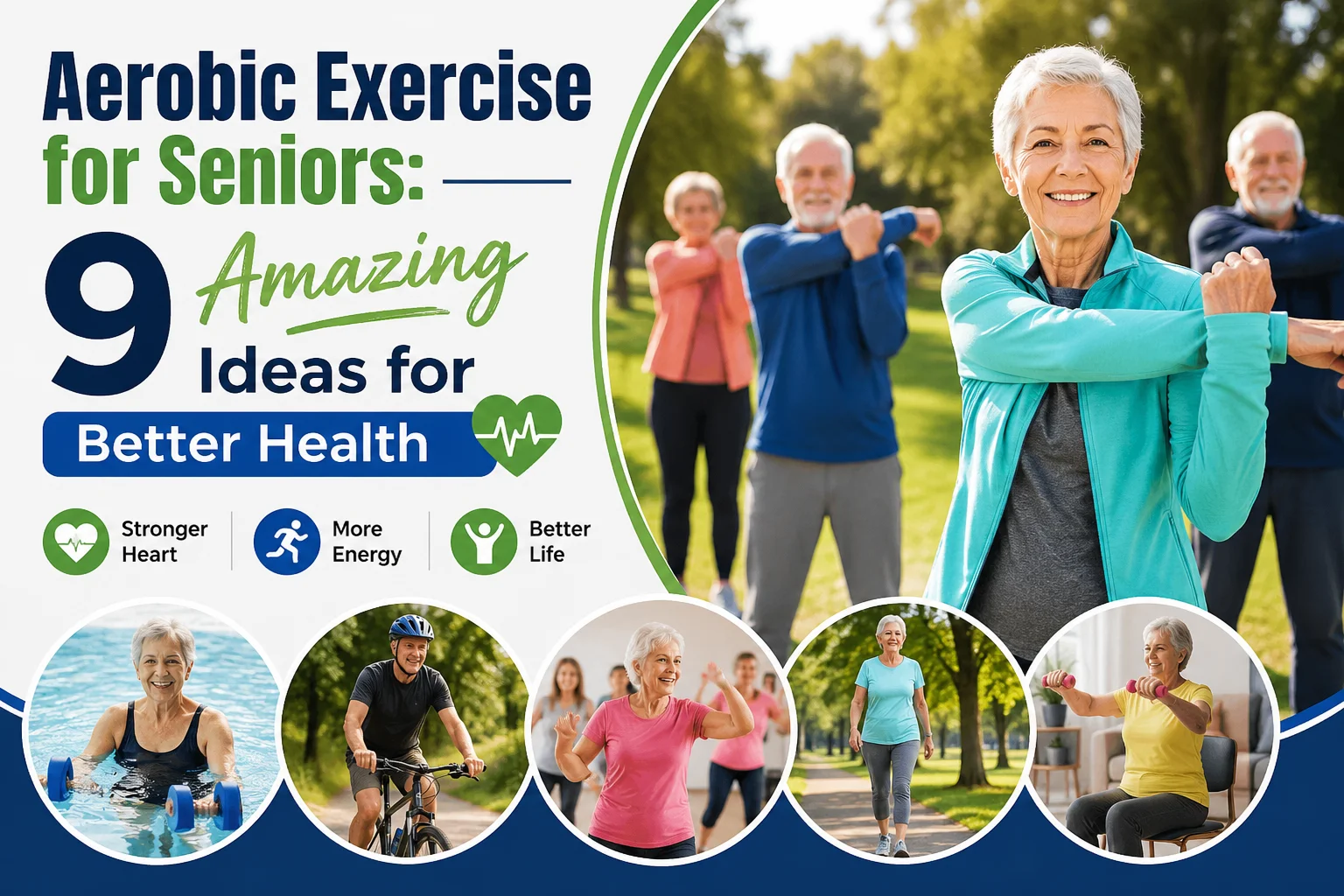
As people get older, staying physically active becomes increasingly important for maintaining strength, energy, independence, and overall well-being. One of the most effective ways for older adults to stay active is through aerobic exercise for seniors. Aerobic activities increase the heart rate, improve circulation, support cardiovascular health, and can make everyday activities easier.
The good news is that seniors do not need to perform intense workouts to enjoy the benefits of cardio. Simple activities such as walking, swimming, cycling, dancing, and chair exercises can provide an effective workout when performed regularly and at an appropriate intensity.

What Is Aerobic Exercise for Seniors?
Aerobic exercise is physical activity that uses large muscle groups and keeps the body moving continuously for a period of time. During aerobic exercise, the heart and lungs work harder to deliver oxygen throughout the body.
For seniors, aerobic exercise can include many low-impact and beginner-friendly activities. Walking around the neighborhood, using a stationary bicycle, participating in water aerobics, or dancing to favorite music can all count as aerobic activities.
The most important factor is choosing an activity that matches a person’s fitness level, mobility, and comfort. Cardio for seniors does not have to be difficult. Consistency is often more important than intensity.
How Aerobic Exercise Benefits Older Adults
Regular aerobic activity can provide several benefits for older adults. One major advantage is improved cardiovascular fitness. When seniors participate in regular cardio, their heart and lungs become better equipped to support physical activity.
Other potential benefits include:
- Better stamina and endurance
- Improved blood circulation
- Support for a healthy body weight
- Better energy levels
- Improved mood and mental well-being
- Greater ability to perform daily activities
- Support for healthy aging
- Improved overall fitness and mobility
Regular cardio workouts for seniors can also make activities such as shopping, climbing stairs, walking, and household tasks feel easier.
How Much Cardio Do Seniors Need?
The amount of cardio an older adult needs can vary depending on health, fitness level, mobility, and personal goals. A good approach is to begin gradually and increase activity over time.
Seniors who are new to exercise can start with short sessions, such as 10 to 15 minutes of comfortable walking. As fitness improves, they can gradually increase the duration.
The goal should be to develop a consistent routine that includes regular movement throughout the week. Seniors with existing health concerns or significant mobility limitations should discuss an exercise plan with a healthcare professional before starting a new program.
9 Best Aerobic Activities for Seniors
There are many enjoyable ways to get cardiovascular exercise. The following aerobic activities for seniors are suitable for different fitness levels and can be modified when necessary.

Walking for Seniors
Walking is one of the simplest and most accessible forms of cardio for older adults. It requires little equipment and can be performed indoors or outdoors.
Seniors can begin with a comfortable pace and gradually increase their walking time. A short daily walk can be a great starting point for someone who has been inactive.
Walking can also be made more enjoyable by visiting a park, walking with friends, or listening to music. For seniors who have difficulty walking outdoors, an indoor walking route or treadmill may provide another option.
Water Aerobics and Swimming
Water-based exercise is an excellent option for seniors who want a lower-impact workout. The water provides resistance while reducing some of the stress placed on the joints.
Swimming can provide a full-body cardiovascular workout, while water aerobics allows seniors to perform movements such as walking, leg lifts, and arm exercises in a pool.
Because water exercise can be adapted to different abilities, it may be a useful choice for older adults looking for comfortable cardio exercises for older adults.
Cycling and Stationary Biking
Cycling can strengthen the legs while providing cardiovascular exercise. A stationary bike can be particularly convenient because seniors can exercise indoors without dealing with traffic, uneven surfaces, or changing weather.
Older adults can begin with low resistance and a comfortable pace. As endurance improves, they may gradually increase workout duration or resistance.
For seniors who have difficulty maintaining balance on a traditional bicycle, a stationary bike may provide a more controlled exercise environment.
Low-Impact Dancing
Dancing combines movement, coordination, music, and cardiovascular activity. Seniors can choose simple low-impact dance routines that avoid jumping or sudden movements.
Dancing at home, joining a senior fitness class, or participating in a community dance program can make exercise more social and enjoyable.
For many older adults, enjoyable activities are easier to maintain than workouts that feel repetitive or boring.
Chair Aerobics for Seniors
Chair aerobics can be a helpful option for older adults who have limited mobility or difficulty standing for long periods.
A chair-based workout may include movements such as seated marching, arm movements, gentle leg extensions, and rhythmic upper-body exercises.
These exercises can help seniors stay active while providing a more stable position. However, the chair should be sturdy and placed on a safe, non-slip surface.
Step-Ups and Low-Impact Cardio
Step-ups can provide cardiovascular activity while also working the muscles of the legs. Seniors can use a low, stable step and hold a secure support if needed.
Those who are not comfortable with step-ups can choose alternatives such as marching in place or side-to-side movements.
The goal is not to move as quickly as possible. Instead, seniors should focus on controlled movement, proper posture, and an intensity that feels manageable.
Light Jogging for Active Seniors
Jogging may be appropriate for some active seniors who already have a good fitness base and no limitations that make impact exercise unsuitable.
Older adults who are new to exercise should generally begin with walking rather than immediately starting a jogging routine.
A walk-jog approach can be another option for experienced exercisers. Seniors should pay attention to how their body feels and choose lower-impact alternatives if jogging causes discomfort.
Hiking and Nature Walking
mbine cardiovascular exercise with the mental benefits of spending time outdoors. Seniors who enjoy nature may find walking on suitable trails more motivating than exercising indoors.
However, trail conditions matter. Older adults should choose safe, well-maintained paths that match their fitness and balance abilities.
Comfortable footwear, appropriate clothing, water, and awareness of the surroundings can make outdoor exercise safer and more enjoyable.
Group exercise classes can provide structure, motivation, and social interaction. Many community centers, gyms, and senior programs offer classes designed specifically for older adults.
These may include low-impact aerobics, water exercise, dance-based workouts, or other forms of cardiovascular activity.
A senior-friendly class can also help participants learn proper movement techniques and discover new elderly cardio exercises that they can continue at home.
Cardio for Seniors: Why It Matters for Healthy Aging
Regular cardiovascular activity plays an important role in senior health and wellness. As people age, maintaining physical activity can help them preserve their ability to perform everyday tasks and remain independent.
Cardiovascular Benefits of Regular Exercise
Cardiovascular exercise trains the heart and circulatory system to work efficiently during physical activity. Regular movement can also support endurance, allowing seniors to stay active for longer periods without becoming tired as quickly.
Activities such as walking, swimming, cycling, and dancing can all contribute to a well-rounded fitness routine.
How Cardio Supports Senior Health and Wellness
Exercise is not only about physical fitness. Regular movement can also contribute to better mood, energy, confidence, and overall quality of life.
For seniors, staying active can make it easier to participate in social activities, hobbies, family events, and everyday responsibilities.
Combining aerobic exercise with strength, balance, and flexibility activities can create a more complete Exercise & Fitness routine for healthy aging.
Cardio for Older Adults With Different Fitness Levels
Not every senior has the same fitness level. Some older adults may enjoy brisk walking or cycling, while others may need seated exercises or short periods of gentle movement.
The best cardio workouts for older adults are those that can be performed safely and consistently. Beginners can start slowly, while more active seniors can gradually increase duration or intensity.
Ultimately, the goal of aerobic exercise for seniors is not to compete with others. It is to keep the body moving, support cardiovascular fitness, and make physical activity a regular part of a healthy lifestyle.
Cardio Routines, Safety & Fitness Tips for Seniors
Cardiovascular Exercises for Seniors With Joint-Friendly Options
As people grow older, staying physically active can become more important for maintaining mobility, independence, and overall well-being. However, not every senior is comfortable with high-impact workouts. This is why cardiovascular exercises for seniors should be selected according to individual fitness levels, mobility, and comfort. Low-impact activities can provide an effective cardiovascular workout while reducing unnecessary stress on the joints.
Walking, swimming, water aerobics, stationary cycling, and gentle dancing are examples of activities that can be adjusted for older adults. Seniors who are new to exercise should begin slowly and focus on building consistency rather than trying to exercise at a high intensity immediately. A comfortable and sustainable routine is more likely to become a long-term part of a healthy lifestyle.
Low-Impact Cardio Exercises
Low-impact cardio is an excellent choice for many older adults because it allows the body to remain active without repeated jumping or hard landings. Walking is one of the simplest options, while stationary cycling can provide a controlled indoor workout. Swimming and water aerobics can also be useful because the water supports the body and allows movement with less impact on the joints.
The intensity of these exercises can be adjusted according to the senior’s ability. Someone who is a beginner may start with slow walking for a short period, while a more active older adult may choose brisk walking or longer cycling sessions. The goal is to gradually improve endurance while keeping the activity comfortable and manageable.
Seated Cardio Exercises for Seniors
Some older adults may have difficulty standing for extended periods because of mobility or balance limitations. In such cases, seated cardio exercises can provide an alternative way to remain physically active. Chair marching, seated arm movements, gentle leg extensions, and rhythmic movements can increase activity while providing additional stability.
Cardio workouts for seniors do not always require standing or specialized gym equipment. A sturdy chair placed on a flat surface can be used for simple exercises. Seniors should maintain controlled movements and avoid exercising too quickly. As their endurance improves, they may gradually increase the length of their sessions.
Balance-Friendly Aerobic Activities
Balance is an important consideration when selecting cardio for seniors. Older adults who have balance concerns may prefer exercises that take place in controlled environments. Stationary cycling, seated aerobics, water exercise, and walking on smooth surfaces can be easier to manage than activities involving uneven ground or rapid changes in direction.
Seniors should choose activities that allow them to maintain control and good posture. If necessary, they can exercise near a secure support or participate in a supervised senior fitness class. The objective is to make exercise both effective and safe.
Aerobic vs. Anaerobic Exercise for Older Adults
Aerobic and anaerobic exercise are two different forms of physical activity. Understanding the difference can help seniors develop a more balanced approach to Exercise & Fitness. Aerobic exercise generally involves continuous movement for longer periods, while anaerobic exercise involves shorter periods of higher-intensity activity.

What Is Aerobic Exercise?
Aerobic exercise uses large muscle groups and increases the heart rate and breathing for a sustained period. Walking, swimming, cycling, dancing, and water aerobics are common examples. During aerobic activity, the body uses oxygen to help produce the energy required for continued movement.
For older adults, aerobic exercise can be performed at different intensity levels. A beginner might take a gentle walk, while an active senior may choose brisk walking, cycling, or a more challenging class. The appropriate intensity depends on the individual’s fitness and experience.
What Is Anaerobic Exercise for Older Adults?
Anaerobic exercise for older adults generally involves short periods of more intense activity. Strength training and resistance exercises are common examples. These activities can help support muscle strength, which is an important part of maintaining physical function as people age.
Seniors who are new to resistance exercise should focus on proper technique and manageable resistance rather than attempting very heavy weights. Combining strength exercises with aerobic activities can create a more complete fitness routine.
Which Type of Exercise Is Better for Seniors?
Neither aerobic nor anaerobic exercise is automatically better for every senior. Cardio for older adults can support endurance and cardiovascular fitness, while resistance exercise can help maintain muscle strength. A balanced routine can include both forms of exercise along with activities that support flexibility and balance.
The right combination depends on personal goals, mobility, fitness level, and health considerations. Seniors should begin at an appropriate level and gradually increase their activity rather than attempting difficult exercises immediately.
Best Aerobic Exercise and Cardio Activities for Seniors
Staying physically active is one of the best ways for older adults to support energy, mobility, and overall well-being. Aerobic exercise for seniors can be a simple and enjoyable part of a healthy lifestyle because it helps keep the body moving while supporting heart and lung fitness.
Walking, swimming, gentle dancing, cycling, and water-based workouts are useful aerobic activities for seniors who want to remain active without making exercise unnecessarily complicated. Regular cardiovascular exercises for seniors can also support endurance and make everyday activities such as walking, shopping, and household tasks feel easier.
For many people, cardio for seniors does not need to be intense; a comfortable and consistent routine can be a great starting point. Similarly, cardio for older adults can be adjusted according to fitness level, mobility, and personal goals. Seniors who are new to exercise can begin with short sessions and gradually increase their activity as they become more comfortable.
Aerobic exercise for seniors may include low-impact options that are gentle on the joints, while aerobic activities for seniors can also provide opportunities for social interaction when performed in groups or classes. Choosing suitable cardiovascular exercises for seniors is important because every person has different abilities and preferences.
Simple cardio for seniors such as brisk walking can be performed indoors or outdoors, while cardio for older adults may include stationary cycling or water aerobics for those who prefer controlled environments. The most effective routine is one that is enjoyable, realistic, and performed regularly. With proper planning, aerobic exercise for seniors can become an important part of healthy aging.
Combining aerobic activities for seniors with strength, balance, and flexibility exercises can create a well-rounded fitness routine. Regular cardiovascular exercises for seniors can help older adults stay active and confident, while appropriate cardio for seniors can make movement a more enjoyable part of daily life. Whether someone prefers walking, swimming, dancing, or cycling, cardio for older adults can be adapted to meet different needs and support an active lifestyle.
How to Start an Aerobic Exercise Routine for Seniors
Starting an exercise routine can seem challenging, but it does not need to be complicated. Seniors can begin by selecting an enjoyable activity such as walking, swimming, cycling, or gentle dancing. Choosing an activity that fits naturally into daily life can make it easier to remain consistent.
Warm-Up Before Cardio
A warm-up prepares the body for physical activity by gradually increasing movement and heart rate. Seniors can begin with a few minutes of slow walking or gentle movements before increasing the pace.
A gradual warm-up can help the body transition from a resting state into exercise. Seniors should avoid immediately starting intense activity, especially if they have been inactive for a long period.
Choosing the Right Exercise Intensity
The intensity of cardio workouts for older adults should match the individual’s current fitness level. During moderate exercise, a senior should feel that the body is working harder while still being able to speak comfortably.
Beginners should start with shorter sessions and gradually increase duration as their stamina improves. There is no need to exercise at maximum intensity to benefit from cardio. Regular, manageable exercise can be more sustainable over time.
Cooling Down and Stretching
A cool-down allows the body to gradually return toward its resting state. Instead of stopping immediately after a cardio session, seniors can slow their pace for several minutes.
Gentle stretching can also be included after exercise to support flexibility. Stretching should be slow and comfortable. Seniors should avoid forcing a stretch or continuing a movement that causes sharp or unusual pain.
Safety Tips for Elderly Cardio Exercises
Safety should always be considered when performing elderly cardio exercises. Seniors should wear comfortable and supportive footwear, exercise on safe surfaces, stay hydrated, and choose environments where the risk of slipping or falling is low.
Older adults should also pay attention to their body’s response to exercise. Anyone who has significant health concerns or who is starting a new exercise program after a long period of inactivity may benefit from discussing their plans with a healthcare professional.
How Seniors Can Exercise Safely
Safe exercise begins with gradual progression. Seniors should avoid increasing workout duration, speed, or resistance too quickly. Proper posture and controlled movements are also important, especially during exercises that involve balance.
Exercise equipment should be checked before use. For chair exercises, the chair should be stable and should not roll or slide. For outdoor walking, seniors should choose safe routes with suitable surfaces.
When to Stop an Exercise Session
It is important for seniors to recognize when exercise should be stopped. Mild tiredness can be expected during physical activity, particularly when someone is new to exercise. However, severe chest discomfort, faintness, significant breathing difficulty, sudden weakness, or other serious symptoms require immediate attention.
Seniors should not attempt to push through unusual or severe symptoms. When in doubt, stopping the activity and seeking appropriate medical guidance is the safer choice.
Common Mistakes Seniors Should Avoid
One common mistake is trying to do too much too soon. An older adult may feel motivated when starting a new fitness program, but suddenly increasing exercise intensity can make the routine difficult to maintain.
Another mistake is focusing exclusively on cardio. Although cardio for elderly individuals is valuable, overall fitness can also benefit from strength, flexibility, and balance exercises. Rest and recovery should also be included because the body needs time to adapt to physical activity.
How Often Should Seniors Do Cardio Workouts?
The ideal frequency of cardio workouts for seniors depends on their fitness level, activity history, mobility, and individual needs. Regular activity spread throughout the week can be easier to manage than completing one very long workout.
Weekly Cardio Guidelines for Older Adults
Many older adults can gradually work toward regular moderate-intensity aerobic activity during the week. Seniors who are beginners should start with manageable sessions and slowly increase their activity as their stamina improves.
Breaking exercise into shorter sessions can also make physical activity more achievable. A senior who finds a long workout tiring may prefer several shorter periods of movement throughout the day.
Creating a Simple Senior Exercise Schedule
A good exercise schedule should be realistic and enjoyable. Seniors can choose one or more preferred activities, such as walking, swimming, cycling, or dancing, and gradually make them part of their weekly routine.
Consistency is more important than creating an overly complicated workout plan. A simple routine that can be followed regularly is often more useful than an intense program that becomes difficult to maintain.
Conclusion
Aerobic exercise for seniors can be an important part of healthy aging. Older adults have many options, from walking and swimming to cycling, dancing, chair aerobics, and other low-impact activities. The best exercise is one that matches the person’s fitness level, mobility, preferences, and ability to perform it safely.
Seniors do not need to begin with difficult workouts. Starting slowly, maintaining proper form, choosing an appropriate intensity, and gradually increasing activity can make exercise more sustainable. Combining cardio with strength, balance, and flexibility activities can provide a more complete approach to senior health and wellness.
With consistency and the right approach, cardio for seniors can support endurance, mobility, confidence, and an active lifestyle. The goal is not simply to exercise harder but to keep moving regularly in a way that is safe, enjoyable, and suitable for healthy aging.
Frequently Asked Questions About Aerobic Exercise for Seniors
What Is the Best Aerobic Exercise for Seniors?
Walking is one of the most accessible forms of aerobic exercise for seniors because it requires little equipment and can be performed at different speeds. However, swimming, cycling, water aerobics, dancing, and chair exercises can also be excellent choices depending on individual fitness and mobility.
How Long Should a 70-Year-Old Do Cardio?
There is no single workout duration that is ideal for every 70-year-old. Someone who is new to exercise may begin with short sessions and gradually increase the duration. A more active senior may be comfortable exercising for longer periods. The main goal should be gradual progress and appropriate intensity.
Is Walking Enough Cardio for Seniors?
Walking can provide effective cardiovascular exercise when performed regularly. Seniors can adjust the pace and duration according to their fitness level. Those who become more comfortable with walking can gradually increase their pace or walking time to make the activity more challenging.
How Many Days a Week Should Seniors Do Aerobic Exercise?
Older adults can aim to include aerobic activity regularly throughout the week. Beginners can start with shorter or less frequent sessions and gradually build toward a consistent routine. Recovery should also be considered when planning weekly exercise.
What Are the Best Cardio Exercises for Older Adults With Bad Knees?
Low-impact activities such as swimming, water aerobics, stationary cycling, and comfortable walking may be suitable options for some seniors with knee discomfort. However, the best activity depends on the individual’s condition and mobility. Anyone experiencing significant or persistent knee pain should seek professional medical advice before starting or changing an exercise routine.

Welcome to USA Senior Citizen, a trusted resource dedicated to helping older adults live healthier, happier, and more independent lives.
Our mission is to provide valuable information, practical tips, and helpful guidance for seniors and their families. We cover important topics including **senior health, retirement planning, senior living, caregiving, technology for seniors, and everyday lifestyle solutions**.
At USA Senior Citizen, we believe aging is not about slowing down — it is about embracing new opportunities, staying connected, and enjoying every stage of life. Our goal is to make life easier for seniors by sharing simple, reliable, and easy-to-understand information that supports better decisions and improved well-being.
Whether you are looking for advice on maintaining a healthy lifestyle, exploring retirement options, learning new technology skills, or finding ways to stay active and independent, USA Senior Citizen is here to guide you.
We are committed to creating a supportive online community where seniors can discover useful resources, gain confidence, and continue living life with dignity and purpose.
USA Senior Citizen — Empowering Seniors to Live Better Every Day.