
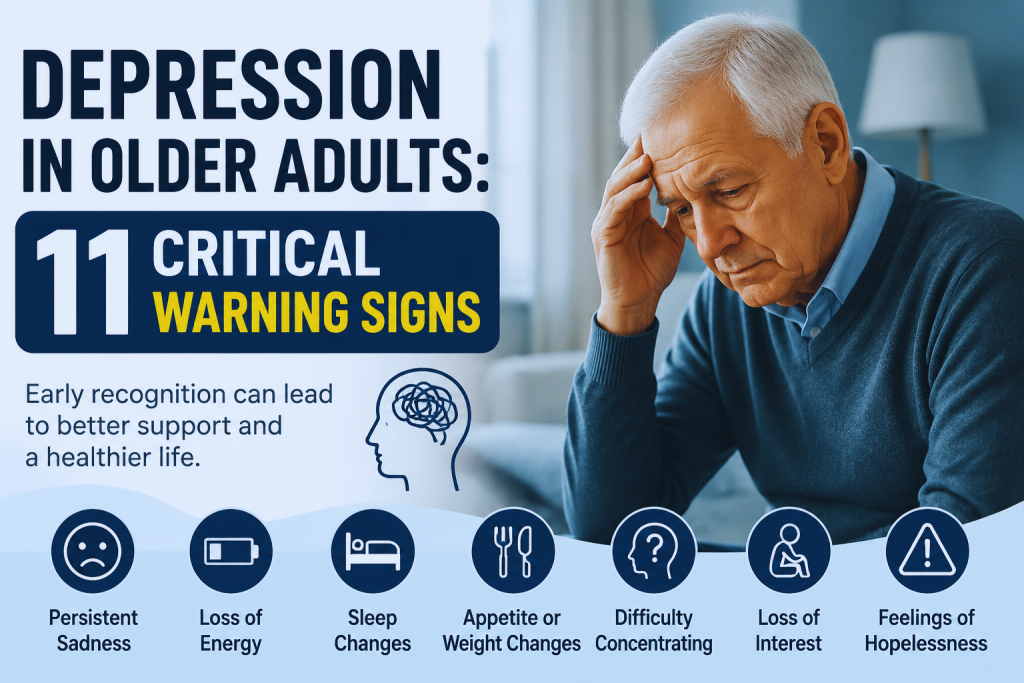
What Is Depression in Adults?
Depression in older adults is a serious mental health condition that affects the way seniors think, feel and handle daily activities. While it is normal to feel sad or stressed sometimes feeling hopeless, empty and uninterested in things for a time may mean that someone has depression. Many people think that feeling depressed is a part of getting older but that is not true. As people get older they may face some challenges. They should not have to deal with emotional pain all the time.
Depression in adults can affect their relationships, physical health, independence and overall quality of life. If families, caregivers and healthcare professionals can recognize the signs of depression they can provide emotional support to seniors and help them stay healthy and active. Loneliness in seniors is a growing concern that can affect emotional well-being, mental health, and overall quality of life, making social connection and support more important than ever

Understanding Depression in Seniors
Depression in seniors can look different from depression in people. Older adults may not always talk about their feelings of sadness. Instead they may complain about problems behave differently lose interest in things they used to enjoy or stop spending time with family and friends. Understanding loneliness in seniors helps families and caregivers provide the emotional support and companionship older adults need for a happier life.
Loneliness in seniors can lead to feelings of isolation and sadness, but meaningful relationships and community activities can help improve their daily lives. Some seniors may hide their emotions because they do not want to be a burden to others or they think that they should just deal with their health struggles on their own. However depression is a condition that can be treated with the right care, support and lifestyle changes. Emotional support for seniors helps older adults manage feelings of isolation, build resilience, and maintain a sense of purpose.
It is essential to understand the needs of older adults to help them age healthily. Showing compassion, patience and connection can make a difference in helping seniors overcome feelings of loneliness and hopelessness. Addressing loneliness in seniors is essential for promoting healthy aging, emotional wellness, and a stronger sense of belonging
Why Depression Is Not a Part of Aging
As people get older they may experience many changes in their lives such as retirement, health problems and changes in their social connections. However depression should never be considered a part of aging. Many older adults continue to have relationships, hobbies, independence and fulfilling experiences throughout their lives.
When symptoms of depression appear they should be taken seriously. Ignoring struggles can lead to worse mental and physical health. If seniors can get the treatment early on they can regain their confidence improve their mood and continue doing things that bring them happiness and purpose.
Difference Between Sadness and Depression in Older Adults
Feeling sad is an emotional response to difficult experiences, such as losing a loved one dealing with health problems or adjusting to significant life changes. Usually sadness gets better with time support and positive experiences.
Depression in adults is different because the symptoms can last longer and interfere with daily life. A depressed senior may lose interest in things they used to enjoy feel tired all the time experience changes in sleep or appetite and feel disconnected from others.
Understanding the difference between sadness and depression helps families determine when an older adult needs care and support. Recognizing loneliness in seniors allows caregivers and loved ones to create better support systems that encourage connection and happiness.
What Causes Depression in Adults?
Depression in older adults can develop due to many emotional, physical and social factors. Often several challenges. Increase the risk of depression. Understanding these causes can help families provide support and create environments that promote emotional well-being.
Loneliness and Social Isolation in Seniors
One of the common causes of depression in older adults is loneliness and social isolation. As people age they may experience changes in their networks due to retirement losing friends, reduced mobility or living far away from family members. Strong relationships and regular communication are important forms of emotional support for seniors that promote healthy aging.
Feeling lonely can create feelings of sadness, emptiness and disconnection in seniors. Without interaction and meaningful relationships older adults may feel forgotten or unsupported. Encouraging activities, such as community groups, hobbies, volunteering or family gatherings can improve emotional health and reduce feelings of isolation.
Maintaining connections gives seniors a sense of belonging and reminds them that they are valued members of their families and communities.
Loss of Loved Ones and Major Life Changes
Losing a spouse, close friend or family member can have an emotional impact on older adults. Grieving after a loss is natural. Prolonged sadness and difficulty returning to normal activities may develop into depression.
Other significant life changes, such as moving to a home adjusting to assisted living or losing physical abilities can also affect mental health. These transitions may create uncertainty and emotional stress making it essential for seniors to receive care and encouragement.
Retirement and Loss of Purpose
Retirement can be a new chapter but some older adults struggle with the sudden change in routine and identity. Many people spend decades building careers and social connections through work so leaving the workplace may create feelings of emptiness.
A lack of purpose can contribute to depression in adults. Finding interests, hobbies, volunteer opportunities or community involvement can help seniors feel productive and connected. Community centers, clubs, and family gatherings are excellent examples of social activities for seniors that promote connection and happiness.
Social activities for seniors offer opportunities to share experiences, develop new friendships, and maintain an active social life during retirement. Well-planned social activities for seniors can improve quality of life by supporting emotional health, creativity, and meaningful relationships. Having goals, even small daily activities can improve confidence and create a stronger sense of purpose.
Chronic Health Conditions and Physical Limitations
Health problems become more common with age. Can increase the risk of depression. Conditions such as pain, heart disease, diabetes, mobility issues or other long-term illnesses can affect emotional well-being. Encouraging social activities for seniors is essential for supporting healthy aging and creating a strong sense of belonging.
Physical limitations may prevent seniors from participating in activities they once enjoyed leading to frustration and feelings of helplessness. Supporting adults with appropriate healthcare exercise when possible and positive lifestyle changes can improve both physical and mental health.

Medication Side Effects and Health-Related Changes
Some medications used to treat health conditions may contribute to mood changes or emotional difficulties. Older adults often take medications and certain combinations can affect sleep energy levels or mental well-being. From group exercises to community events, social activities for seniors help older adults stay engaged and enjoy fulfilling daily experiences.
Regular communication with healthcare providers is essential to identify whether medications may be influencing symptoms of depression. Proper medical guidance can help seniors receive treatment while managing their overall health. Regular social activities for seniors can reduce feelings of loneliness while promoting mental stimulation and emotional happiness.
Loss of Independence and Daily Life Challenges
Many older adults value their independence and ability to manage tasks on their own. When aging-related changes make everyday activities more difficult seniors may feel frustrated, dependent or less confident.
Helping seniors stay independent while providing the level of assistance is crucial. Encouraging independence in ways can improve self-esteem and reduce feelings of helplessness that may contribute to depression.
11 Warning Signs of Depression in Older Adults
Recognizing the warning signs of depression in adults is the first step toward getting proper support. Symptoms may develop slowly making them difficult to notice at first. Families and caregivers should pay attention to changes in mood, behavior and daily routines.
-
Sadness or Feelings of Emptiness
A common warning sign of depression is ongoing sadness, emotional emptiness or feeling hopeless. Older adults experiencing depression may feel unhappy most of the time even when positive events happen around them. These feelings may continue for weeks or months. Can affect their ability to enjoy life.
-
Loss of Interest in Hobbies and Favorite Activities
Many seniors enjoy hobbies, social events and activities that bring happiness. When someone suddenly loses interest in things they once loved it may be a sign of depression. A reduced desire to participate in activities can indicate emotional struggles that require attention and support.
-
Increased Loneliness and Social Withdrawal
A depressed older adult may avoid conversations, family gatherings or social events. They may spend time alone and stop communicating with friends or relatives. Social withdrawal can increase loneliness. Create a cycle that makes depression symptoms worse.
-
Changes in Sleep Patterns
Depression can affect sleep habits. Some seniors may experience insomnia. Struggle to fall asleep while others may sleep excessively but still feel tired. Changes in sleep patterns can be an indicator of emotional distress.
-
Changes in Appetite or Weight
Depression may cause changes in eating habits. Some older adults lose interest in food while others may eat more than usual for comfort. Unexpected weight changes should be discussed with healthcare professionals to identify emotional or physical causes.
-
Low Energy and Constant Fatigue
Feeling tired all the time lacking motivation or struggling to complete activities can be signs of depression. Even simple daily tasks may feel overwhelming for seniors experiencing energy and emotional exhaustion.
-
Difficulty Concentrating or Making Decisions
Depression can affect memory, focus and decision-making abilities. Older adults may have trouble concentrating on conversations, managing responsibilities or completing tasks. These changes can sometimes be confused with aging but sudden or significant difficulties should be evaluated.
-
Feelings of Guilt, Worthlessness or Hopelessness
Some seniors with depression may feel like they are a burden to others or believe they no longer have value. These negative thoughts can greatly affect health and confidence. Providing support for seniors can help them feel appreciated and connected.
-
Increased Irritability or Mood Changes
Depression does not always appear as sadness. Some older adults may become more frustrated, angry, impatient or emotionally sensitive. Sudden personality changes should be taken seriously especially when combined with depression symptoms.
-
Unexplained Physical Complaints
Older adults with depression may report symptoms such as headaches, digestive problems, pain or general discomfort without a clear medical explanation. Mental health and physical health are connected and emotional struggles can sometimes appear through physical complaints.
-
Thoughts of Death or Suicide
Thoughts about death feeling that life is not worth living or talking about self-harm require attention. These signs should never be ignored. Professional help and emotional support should be provided quickly as possible when these warning signs appear.
Depression vs Normal Aging: How to Recognize the Difference
Understanding the difference between aging challenges and depression helps families provide appropriate care. While aging may bring changes in health, relationships and lifestyle ongoing emotional suffering is not something seniors should simply accept.
When Grief Turns Into Depression
Grief after losing someone is a natural process. However when sadness continues for a time prevents daily functioning or causes severe hopelessness it may become depression. Recognizing the difference between grief and depression allows older adults to receive the support at the right time. Loneliness in seniors can deeply impact their mental and emotional health, highlighting the need for regular social interaction and compassionate care. Loneliness in seniors is not just about being alone; it is about feeling disconnected from family, friends, and the community around them.
Signs That an Older Adult Needs Help
Depression in adults can be a serious issue but it can be treated with the right care and support. Families, caregivers and healthcare professionals should be aware of the warning signs of depression. Provide emotional support to seniors. By understanding the causes of depression and recognizing the difference, between sadness and depression we can help older adults receive the help they need to live fulfilling lives.
Older adults may need help from professionals if they feel sad for a time stop doing things they like or have trouble taking care of themselves. Getting help can make a big difference in how well they recover and can help them stay independent and feel good about themselves. Creating a caring environment with emotional support for seniors can improve their mental health and encourage a more fulfilling lifestyle.
How Depression Impacts Older Adults’ Health and Independence
Depression is not just about feeling sad. It can also affect how they feel physically their relationships with others and how they live their life. If they do not get the help depression can make it harder for them to deal with other health problems they might have. Depression can make older adults not want to exercise eat food or take care of themselves.
This can lead to health problems over time. So it is really important to take care of their health to help them feel better overall. Sometimes depression and dementia can seem like the thing because they can have similar symptoms, like memory problems or feeling confused. They are different and need to be treated in different ways. If we can tell them apart older adults can get the treatment and care.
How to Support Older Adults Experiencing Depression
Depression can make everyday tasks feel really hard. Older adults might have trouble taking care of themselves doing chores spending time with friends or following a routine. With the right emotional support, medical care and encouragement many older adults can feel better and live independently.
If an older adult is dealing with depression it is a thing that needs to be understood and treated with patience and care. As people get older they can have great experiences but some might feel sad or lonely because they are alone have health problems or are going through big changes in their life.
Provide Emotional Support and Listen Actively
Giving them the care and support can help them feel better and have a more fulfilling life. Helping an adult with depression is not just about finding them a doctor. It is also about spending time with them encouraging them to take care of themselves and making sure they feel valued and respected.
When we give adults the emotional support they need they can feel more confident stay independent and have a better life. To help an adult with depression we need to understand how they are feeling and know that their struggles are real. Social activities for seniors provide a valuable way for older adults to stay connected, maintain independence, and enjoy a healthier lifestyle.
Many older adults do not like to talk about their feelings because they do not want to be judged or be a burden to their loved ones.
Help Seniors Stay Independent
Technology, community support, and personalized care can make helping seniors stay independent easier and more effective. Helping seniors stay independent helps older adults feel valued, capable, and empowered to make decisions about their own lives. Simple changes at home and regular health support can make a significant difference in helping seniors stay independent. Helping seniors stay independent is about balancing safety with freedom so they can continue living a fulfilling life.
If we create an supportive environment they can express their feelings without fear. Small acts of kindness like talking to them helping with chores or just listening can make a big difference. Whether it is spending time together helping with tasks or just being there for them every little bit helps reduce feelings of loneliness and sadness. Helping seniors stay independent involves encouraging active lifestyles, maintaining social connections, and supporting their everyday needs.
One of the important things we can do to help someone with depression is to listen to them and offer emotional support. Older adults often need someone to talk to who will not judge them or try to fix everything away. Of trying to come up with solutions we should focus on understanding what they are going through. With proper guidance and support, helping seniors stay independent can improve both physical health and emotional happiness.
Just talking to them about their feelings, memories and hopes can help them feel heard and appreciated. Emotional support is really important for adults because it helps them feel like they belong. Knowing that someone cares about them can reduce loneliness. Encourage them to get more help if they need it.
Social activities for seniors play an important role in improving emotional well-being, reducing isolation, and helping older adults build meaningful connections. It is also important for older adults to stay connected with others. Feeling lonely can contribute to depression because it can make them feel disconnected from the world. Encouraging them to join groups attend events participate in hobbies, volunteer or spend time with family and friends can help them feel more connected.
Even small interactions, like phone calls or talking to neighbors can help them feel less alone. Helping older adults stay independent is also crucial for their health. Many older adults feel depressed when they feel like they have lost control over their life or have to rely on others for everything. Participating in social activities for seniors can boost confidence, encourage active living, and create opportunities for friendship and community engagement.
So we should try to support them while still letting them make their choices whenever possible. Encouraging them to take care of themselves make decisions and keep doing things they enjoy can help them feel more confident.
Create a Positive Daily Routine
Having a daily routine can provide stability and comfort for adults dealing with depression. Depression can make it hard for them to feel motivated making everyday tasks feel overwhelming. A consistent routine that includes meals, self-care, exercise, hobbies and social time can give them a sense of purpose.
Having goals each day can help them feel productive and accomplished. A positive daily routine does not have to be complicated. Simple activities like gardening, reading, walking or spending time with loved ones can improve their mood.
Encourage healthier habits

Healthy lifestyle choices can also support mental health in older adults. Exercise, food, good sleep and regular medical care all contribute to their emotional well-being. Gentle exercises like walking or stretching can improve their energy. Reduce stress. A balanced diet gives them the nutrients they need for their brain and body. Encouraging habits should be done with patience and kindness.
The goal is not to be perfect but to help them create habits that improve their wellness. Depression in adults can be treated and many older adults feel better with the right combination of professional care, support and lifestyle changes.
Treatment Options for Depression in Older Adults
Treatment plans should be tailored to each person because every older adult has emotional, physical and medical needs. Early treatment can help older adults regain interest in activities strengthen relationships and improve their quality of life.
Counseling and Therapy for Seniors
Counseling and therapy can be really helpful for adults with depression. A trained mental health professional can help them understand their emotions manage thoughts and develop healthy coping strategies. Therapy provides a space for older adults to talk about their feelings, memories and challenges.
Different approaches, like behavioral therapy can help them think more positively. Professional counseling is especially helpful for adults who struggle with ongoing sadness, anxiety or difficulty adjusting to big changes in their life. In some cases doctors might recommend medication as part of depression treatment.
Medication and Medical Support
Antidepressants can help balance brain chemicals that affect mood and emotions. Older adults should always talk to their doctors about medication options because they might have health conditions or take multiple medications.
Doctors can help them find the most effective treatment approach. Regular medical support ensures that both their physical and mental health needs are addressed together. Reducing loneliness in seniors can improve their quality of life by promoting social connections, active lifestyles, and emotional support.
Lifestyle Changes to Improve Senior Mental Health
Lifestyle changes can play a role in improving older adults mental health. Activities that promote connection, movement and purpose can reduce depression symptoms. Improve emotional balance. Spending time keeping up with hobbies building relationships and participating in meaningful activities can positively affect their mood.
Small lifestyle improvements can create benefits for older adults. Combining habits with professional treatment often provides the best results for older adults with depression. Preventing depression involves creating an environment where older adults feel connected, valued and supported.
How to Prevent Depression and Promote Healthy Aging
Healthy aging is not about physical health but also about emotional strength and social relationships. Families and communities can play a role by encouraging positive experiences and helping older adults stay active and engaged in life. Staying connected with family and friends is one of the ways to prevent depression.
Regular communication with ones helps older adults feel supported and appreciated. Simple actions like visits phone calls, shared meals and family activities can reduce isolation and strengthen emotional connections. Having a sense of purpose can greatly improve health. Many older adults experience loneliness in seniors due to life changes, retirement, health issues, or the loss of loved ones.
Many older adults feel depressed after they retire or go through changes in their life because they feel like they no longer have meaningful responsibilities. Finding interests learning new skills helping others or participating in hobbies can restore a sense of purpose. Helping seniors stay independent is essential for healthy aging, as it promotes confidence, self-reliance, and emotional well-being.
Activities that bring joy and a sense of achievement can improve confidence and motivation. Purpose does not have to come from accomplishments. Small daily activities that create happiness and fulfillment can make a difference. Creating a support system helps older adults manage emotional challenges. Families and caregivers can play an important role in helping seniors stay independent by creating a safe and supportive environment.
Family members, friends, caregivers and community members can all contribute to an adults mental well-being. Strong emotional support involves showing respect offering encouragement and being available during moments. When older adults know they are not facing challenges alone they are more likely to stay hopeful and seek help when they need it. Families, friends, and caregivers can provide emotional support for seniors by offering companionship, understanding, and a listening ear.
Participating in community activities can improve connections and reduce feelings of loneliness in older adults. Local groups, programs, volunteer opportunities and recreational activities allow older adults to interact with others and build new relationships. Participating in community activities can improve confidence create experiences and support emotional wellness.
When Should Older Adults Seek Professional Help?
Although family support is valuable some situations require mental health help. Recognizing when additional help is needed can prevent depression from getting worse. Professional support can provide adults with effective treatment strategies and resources designed to improve their mental health. Helping seniors stay independent requires providing the right support, resources, and encouragement while respecting their personal choices.
Older adults should get help if they feel extremely sad, hopeless or withdrawn from daily life. Any mention of suicide or feeling like life is not worth living should be taken seriously. Immediate support from healthcare professionals or crisis resources can provide protection and care. Emotional support for seniors plays a vital role in improving confidence, happiness, and overall quality of life during the later years.
There are resources and support options available, for older adults dealing with depression. There are a lot of resources to help seniors deal with depression. Doctors, therapists, community organizations and support groups can all provide help and guidance. Loneliness in seniors is a common challenge during aging, but supportive relationships can help older adults maintain confidence and emotional wellness.
When we talk to adults about getting help we should do it with kindness and understanding. Taking care of our health is a big part of staying healthy and happy as we get older. Providing emotional support for seniors helps them cope with life changes, overcome loneliness, and enjoy a more positive aging experience.
FAQs
What are the signs of depression in adults?
Older adults with depression might feel sad all the time lose interest in things they used to enjoy feel lonely have trouble sleeping or eating feel tired have trouble focusing feel hopeless and withdraw from family and friends. Some seniors might also have problems like pain or fatigue that cannot be explained.
What causes depression in adults?
There is no one thing that causes depression in adults.. Some common things that can contribute to it are feeling lonely losing loved ones retiring, having chronic health problems not being able to do things on their own and going through big changes in life. When older adults have to deal with a lot of physical and social challenges they are more likely to get depressed.
How does feeling lonely affect depression in adults?
When older adults are lonely they might feel sad, hopeless and disconnected from others. We can help them by encouraging them to get involved in activities visit with family and friends and participate in community events. Preventing loneliness in seniors requires building strong social networks, encouraging hobbies, and creating opportunities for meaningful engagement
What is the best way to treat depression in adults?
The best way to treat depression in adults is different for each person. Some common treatments include talking to a therapist taking medication making lifestyle changes and getting emotional support from family and caregivers. Usually a combination of these things works best.
Can depression in older adults be treated successfully?
Yes depression in adults can be treated successfully. With the medical care, emotional support, healthy habits and social connections many seniors are able to feel better do daily tasks more easily and have a better quality of life.
How can I help a person with depression?
You can help a person with depression by listening to them without judging spending quality time with them encouraging them to get involved in social activities supporting them in making healthy choices and helping them stay independent. Being patient, kind and understanding can make a difference.
Can an elderly person die from depression?
Depression itself is not usually a cause of death.. If it is not treated it can affect physical health and increase the risk of self-harm or suicide. We should take warning signs seriously. Get professional help when needed.
What is the difference between aging and depression?
As we get older our bodies and energy levels change.. Depression is a medical condition that causes persistent emotional and behavioral changes that interfere with daily life.
How can seniors prevent depression. Stay mentally healthy?
Seniors can reduce the risk of depression by staying connected with others doing things they enjoy exercising regularly keeping relationships strong finding meaning in daily life and getting help when they need it.
When should an older adult get help for depression?
An older adult should get help if they have symptoms that last for several weeks interfere with daily life cause them to withdraw from others make them feel hopeless or include thoughts of death or self-harm. Getting help early can improve recovery and overall well-being.
Conclusion
Depression in adults is a serious mental health condition but it is not a normal part of aging. If we understand what causes it recognize the warning signs. Provide support when needed seniors can overcome emotional challenges and improve their quality of life. Things, like feeling lonely going through changes, health problems and losing independence can increase the risk of depression.. With kindness, social connections and the right resources we can make a big difference. Finding enjoyable social activities for seniors can help older adults remain physically active, mentally engaged, and emotionally supported
To support adults with depression we need to provide emotional support, social connections, healthy lifestyle choices and professional guidance when needed. We can help by encouraging activities helping seniors stay independent and creating a supportive environment. This can reduce feelings of loneliness. Improve overall well-being. Loneliness in seniors can increase feelings of stress and anxiety, but simple acts of kindness and companionship can make a meaningful difference.
Emotional support for seniors is essential for maintaining mental well-being, reducing stress, and helping older adults feel valued and connected. Helping seniors stay independent allows older adults to maintain confidence, improve quality of life, and continue enjoying daily activities with dignity. With patience, understanding and the right resources older adults can continue to find purpose, happiness and meaningful relationships. Every senior deserves to feel respected, valued and connected while getting the care and support they need to stay mentally healthy.
Senior Caregiving: A Complete Guide with 15 Expert Tips for Better Elder Care in 2026

Welcome to USA Senior Citizen, a trusted resource dedicated to helping older adults live healthier, happier, and more independent lives.
Our mission is to provide valuable information, practical tips, and helpful guidance for seniors and their families. We cover important topics including **senior health, retirement planning, senior living, caregiving, technology for seniors, and everyday lifestyle solutions**.
At USA Senior Citizen, we believe aging is not about slowing down — it is about embracing new opportunities, staying connected, and enjoying every stage of life. Our goal is to make life easier for seniors by sharing simple, reliable, and easy-to-understand information that supports better decisions and improved well-being.
Whether you are looking for advice on maintaining a healthy lifestyle, exploring retirement options, learning new technology skills, or finding ways to stay active and independent, USA Senior Citizen is here to guide you.
We are committed to creating a supportive online community where seniors can discover useful resources, gain confidence, and continue living life with dignity and purpose.
USA Senior Citizen — Empowering Seniors to Live Better Every Day.