
Introduction
Traditional Medicare offers only basic dental coverage, making routine dental care difficult for many elderly people. Since traditional Medicare only offers basic dental coverage, routine dental care becomes increasingly important, but many older individuals have trouble affording it. With age, people run the risk of developing various oral health problems, such as gum disease, tooth decay, tooth loss, dry mouth, and more, which can have a profound impact on their general health and well-being.
Driven by preventive, restorative, and emergency dental needs, the selection of the right Dental Health Plans for Seniors will help lower out-of-pocket costs while still providing access to dental care. If you’re retired, on Medicare, or looking for Dental Insurance for Seniors, it’s important to know what your options are, as this will help you protect both your health and your wallet.
This complete guide to dental insurance from the specialists details the relevance of oral care for seniors and the various kinds of dental coverage available, as well as how to choose the most effective plan for your needs and budget. Knowing these choices is empowering enough for seniors to make informed decisions that will help them smile with better health and quality of life throughout their retirement.

What Dental Health Plans for Seniors?
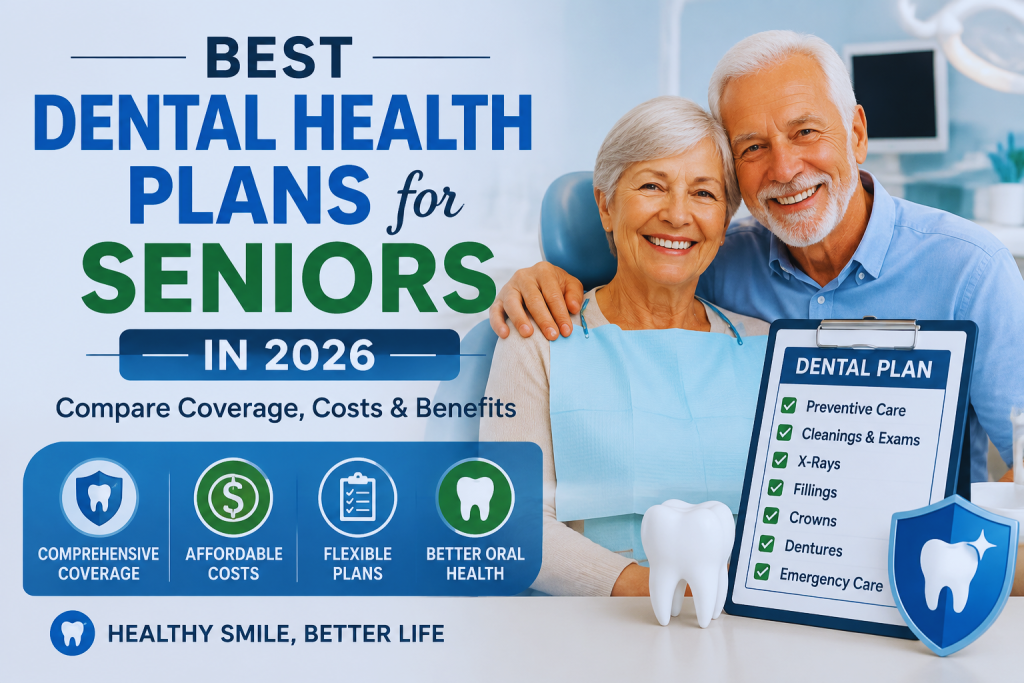
Dental Health Plans for Seniors are insurance plans or discount programs that are designed to help older adults afford dental care. Such plans usually reimburse preventive services like routine cleanings and oral examinations, X-rays, and (in certain plans) restorative services such as fillings, crowns, dentures, root canals, and dental implants.
Dental insurance is not insurance like regular health insurance; it is dental insurance. Most senior dental plans involve a monthly premium, which lowers treatment costs and results in negotiated rates from participating dentists. Some plans may also have annual maximum benefits, deductibles, copayments, and waiting periods; it’s important to compare the options before you choose.
Senior Dental Insurance is important for many seniors in retirement as the financial burden of caring for your mouth grows as you age. A good dental plan helps you save on treatment expenses and will also motivate you to maintain regular preventive dental visits that may prevent you from needing other more expensive and extensive dental treatment later.
The importance of having dental coverage after the age of 60.
Oral changes that are associated with aging, medications, chronic diseases, and lifestyle changes are natural to an individual’s oral health as they age. Once a person reaches age 60, their dental care is no longer about keeping a smile on their face; it’s about keeping them healthy.
There are a number of reasons why dental coverage is important, among them being that dental issues may impact nutrition if they are not addressed. Seniors who do not have their teeth may find it hard to chew healthy foods like fruits, vegetables, and lean proteins because they have painful gums. Calorie-poor diets can make people more susceptible to other diseases and can lower the immune system.
It has also been found that oral health is linked to other systemic diseases. Diabetes, heart disease, respiratory infections, and other chronic diseases often seen in older adults have been linked to gum disease. Dentists can spot oral infections early with regular dental visits, which means there will be less of a chance for complications to occur that can impact the entire body.
Also, numerous prescriptions prescribed to older adults dry out the mouth, which lowers saliva and raises the likelihood of cavities and gum disease. These side-effects can be controlled with regular preventive visits, before they progress into a more serious dental problem.
By purchasing Affordable Dental Plans for Seniors, seniors will be able to enjoy preventive dental care without having to worry about the huge costs of the treatment. Full dental coverage is a good investment in the long run because most dental issues can be prevented, or the diagnosis and treatment of the initial stages is much cheaper than worrying about the advanced stages.
The most prevalent oral health issues in the elderly.
There are numerous oral health problems that affect older people and which may require regular check-ups and proper dental treatment. By knowing these factors, seniors can be more aware of the need for regular dental care and the need for the right insurance policy.
Tooth Decay
Though it’s usually thought of as a children’s disease, tooth decay is one of the most prevalent dental issues faced by elderly people. When gums are receding, the root of the tooth is exposed and more susceptible to decay. This risk can be considerably lowered by proper cleaning and fluoride treatment.
Gum Disease
Periodontal disease is a common condition among older people around the world. The initial signs of gum disease consist of puffy, bleeding gums, and advanced gum disease can create loosening of teeth and permanent tooth loss. Regular check-ups enable early detection and treatment to prevent irreversible damage to the teeth.
Tooth Loss
Untreated tooth decay or severe gum disease are causes of tooth loss for many seniors. A missing tooth or teeth can impact a person’s speech, eating, self-assurance and life. Having dental insurance with coverage for dentures or implants can significantly enhance long-term oral health and function.
Dry Mouth
Many medications prescribed for high blood pressure, diabetes, depression, and other chronic diseases can cause dry mouth. Dry mouth increases the risk of cavities, bad breath, infections, and swallowing problems. A dentist can suggest treatments that can help alleviate symptoms along with safeguarding the oral tissues.
Oral Cancer
Oral cancer screenings are a key part of preventive dental care, as age is a significant risk factor for developing oral cancer. Early detection greatly increases the chances of successful treatment and survival.

Denture-Related Problems
A large number of older people have complete or partial dentures. The dentures are the source of mouth sores, infection, discomfort, and trouble in eating when they are not properly fitted. Frequent dental visits help maintain a proper fit and function of dentures.
This is why it is important to take care of your oral health now in retirement. With the appropriate dental insurance and preventive dental care, treatment costs will be minimized, and seniors will be able to enjoy healthy teeth and gums for years to come. The Importance of Dental Insurance for Seniors
The cost of dental care is steadily increasing yearly, and insurance becomes more and more valuable to retirees on a fixed income. Untimely preventive care like routine check-ups, cleanings, and X-rays can also be costly if not covered. Some more complex interventions like crowns, root canals, dentures, and dental implants can be hundreds or thousands of dollars in cost.
One way to minimize these costs is by utilizing Dental Insurance for Seniors, which will cover a big part of the dental procedures that are qualified for. Insurance can also help to reduce the cost of treatment, and it can also promote regular preventive visits, which can help to detect issues early and prevent them from getting out of hand. Preventive care can not only keep individuals’ oral health in good shape but also make it less likely that they will need to make use of costly emergency care in the future.
One benefit is that there’s better access to a network of qualified dentists who provide negotiated service rates. Numerous dental plans also offer wellness benefits, educational information, and preventative programs that promote long-term oral health.
Preventive Dental Care
The key to having healthy teeth and gums all through retirement is preventive dental care. The condition of a person’s teeth and gums deteriorates with age. Oral health issues like gum disease, tooth decay, dry mouth, and tooth loss worsen with age. These issues can be identified at an early stage with regular preventive treatment, which will avoid the need for costly and complicated dental treatment later. In most Dental Health Plans for Seniors, preventive services are given more weight because they benefit oral health in the long term and help cut down on overall healthcare costs.
Typical dental routine services will consist of professional cleaning, oral exam, digital X-rays, fluoride application, and oral cancer screening. These services provide the removal of plaque and tartar buildup, the detection of cavities before they become serious, and the supervision of gum conditions. Seniors who use preventive care every six months are more likely to be able to keep their teeth healthy and to avoid expensive restorative care.
Preventive care also is essential in the care and management of chronic health conditions. A variety of studies have demonstrated relationships between poor oral health and illnesses like diabetes, heart disease, stroke, respiratory infections, and more. Gum disease may lead to inflammation, and regular dental visits will help minimize it, leading to better overall health outcomes.
Numerous Dental Insurance for Seniors plans offer preventive care at minimal or no extra expense, helping seniors obtain normal care without worrying about monetary limitations. Preventive dentistry not only helps seniors keep their smiles healthy but also enhances their overall lifestyle and helps to avoid future health costs.
Emergency Dental Treatment
No one is immune to dental emergencies, and they can occur at any time. Dental abscesses, broken teeth, infections, lost fillings, and cracked crowns may necessitate urgent treatment for severe toothaches. When medical coverage is not available, emergency services can get expensive, particularly for those on a fixed income, such as retirees.
Comprehensive Senior Dental Insurance can help lower the expenses of emergency dental care by paying a portion of the bill for diagnostic exams, x-rays, extractions, root canals, as well as other emergency services. Early treatment will not only help in reducing pain, but also prevent the infection from spreading to other parts of the body.
The elderly may be more prone to dental emergencies as a result of weak enamel, existing dental restorations, side effects of medications, and chronic medical diseases. Not addressing dental pain can lead to more involved procedures for future treatment and more expensive.
You can pick a dental plan that includes emergency coverage, which will ensure seniors find a qualified dentist when a dental emergency occurs. Before choosing a plan, you should check the maximum coverage in case of an emergency, waiting periods, and participating provider networks.
Long-Term Cost Savings
One of the greatest benefits of buying Affordable Dental Plans for Seniors is the substantial longterm economic savings that they offer. While it may be an extra cost to set aside every month, generally, the cost of regular preventive dental care is significantly less than the cost of advanced dental disease.
A routine dental cleaning, for instance, can be less than a hundred dollars while other procedures may run hundreds or even thousands of dollars, such as crowns, bridges, dentures, implants, or root canals. Early diagnosis enables dentists to treat small issues before turning them into large health problems.
Further, dental insurance offers negotiated treatment rates with in-network providers, which can save seniors even more on typical dental treatments. Some plans may provide preventive services at limited or no out-of-pocket expense each year, and strongly encourage members to visit the dentist regularly.
Healthcare costs are one of the factors to consider in retirement planning, especially for retirees on a fixed income. Choosing the right dental insurance plan can help keep your retirement funds intact and make sure you can keep up with your dental health.
Will Medicare pay for dental care?
A common concern of many people retiring is whether they will be able to receive dental care from Medicare. People need to know all about Medicare’s dental coverage when choosing the right Dental Health Plans for Seniors, as the coverage will differ depending on the type of Medicare plan.
Medicare offers a great health insurance plan for millions of older people, but normal dental care is typically not covered by Original Medicare. This means that many seniors take out further dental insurance or opt for Medicare Advantage plans that include dental coverage.
Understanding Medicare, Medicare Advantage, and Medigap plans can aid seniors in selecting coverage that is suitable for their oral care needs and budget.
Original Medicare
Original Medicare does not provide routine dental care; its main coverage is for hospital and medical services. Most routine dental care, like cleanings, fillings, crowns, dentures, root canals, and dental check-ups, is not covered.
But Medicare may cover some dental services if they are medically necessary as part of another covered medical service. For instance, any dental service that is needed prior to certain procedures or surgeries may be covered, but only to a certain extent.
As dental care costs are still the responsibility of the patient, many retirees opt for taking a separate dental insurance policy to take care of this. Medicare Advantage – a Medicare Plan (Part C).
Whereas Original Medicare does not cover dental care costs, many Medicare Advantage plans offer dental coverage as part of their comprehensive health care package. Some of the coverage that can be provided includes preventive care, diagnostic services, fillings, crowns, extractions, dentures, and in some cases, even dental implants, depending on the insurance provider.
Some Medicare dental coverage plans offer different monthly premiums, different maximum benefits per year, different provider networks, various deductibles, waiting periods, and which procedures are covered. Seniors should comparison shop to find the best plan for them before signing up.
Retirees who seek medical and dental care, all in one plan, may find a Medicare Advantage plan is more cost-effective.
Medigap and Dental Coverage.
Medigap Insurance (also called Medicare Supplement Insurance) covers some of the expenses of Original Medicare that may impact your out-of-pocket costs, including deductibles, copayments and coinsurance. Medigap policies typically don’t cover routine dental care, however.
People who buy Medigap typically also buy an extra dental insurance plan to get the full coverage for oral health care needs. Having a Medigap plan in addition to dental insurance will give more financial security for unforeseen dental costs.
There are various types of dental health plans for seniors available.
When considering a dental plan, it’s important to know about the various coverage types. Each type of insurance policy has its own benefits, network of providers, cost, and flexibility.
PPO Dental Plans
Preferred Provider Organization (PPO) plans are flexible, as the member can use both in network and out of network dentists. Usually, in-network providers will be more affordable, but members can still select their preferred dentist. Seniors who want more provider choice will find PPO plans to be ideal.
HMO Dental Plans
Health Maintenance Organization (HMO) dental plans have a network of providers and enlist members to make use of them. These plans tend to be less expensive and offer fixed copayments, making them a cost-effective choice for retirees.
Dental Indemnity Plans
Dental indemnity plans offer the flexibility that members are able to visit just about any licensed dentist. These plans pay a percentage of the treatment cost, not provider networks. Premiums might be higher, but they will work well for seniors who want to have a choice.
Dental Discount Plans
Dental discount plans are not insurance plans. Rather, members pay an annual membership fee, and the participating dentists give them discounts. Seniors who are not in need of extensive dental care may find these plans to be a viable choice, as they offer good coverage for routine care at a low cost.

Best Dental Health Plans for Seniors in 2026
When looking for Dental Health Plans for Seniors, it is not sufficient to simply opt for the most affordable dental insurance. Each senior will have different dental needs based on age, health, finances, and the type of dental care that they are looking for. While some retirees only require the preventive measures of cleanings and annual checkups, others may need the need for dentures, crowns, implants, or periodontal treatment. Planning for a plan that is easily affordable and provides extensive coverage can help seniors stay healthy without paying for anything they didn’t expect.
There are a few dental insurance companies that have dental plans for the elderly. These plans have different monthly premiums, maximum annual benefits, deductibles, waiting periods, and provider networks. It is important that seniors carefully evaluate the options available to them before they sign up for a plan to make sure the health plan is right for them financially and in terms of health coverage.
Here are a few of the most popular dental insurance companies that are available to seniors in the United States.
Delta Dental
Delta Dental is among the nation’s biggest dental insurance companies. It has a large network of dentists, comprehensive preventive care, and flexible plan options. Seniors opt for Delta Dental due to their coverage for routine dental cleanings, exams, fillings, crowns, dentures, and many other dental treatments.
Humana Dental
Humana Dental plans are affordable, and preventive care is available on these plans at little or no extra cost. Humana offers a number of Medicare Advantage options that also feature dental coverage, which is a great option for individuals who are of retirement age and want a combination of dental and medical coverage.
Cigna Dental
One of the well-known areas of Cigna Dental is competitive premiums and a massive provider network. Some plans offer preventive care, restorative services, orthodontic coverage, and flexible coverage options that are applicable for seniors with different oral health needs.
UnitedHealthcare Dental
UnitedHealthcare offers a variety of dental insurance plans that complement Medicare Advantage plans. Specific policies include preventative health and complete dental care, along with a network of providers throughout the country.
Guardian Dental
Retirees like Guardian Dental because many dental plans have no waiting period for preventative services and affordable restorative services. It also offers options for plans of various budgets.
Spirit Dental
Dr. Spirit Dental’s plans are becoming well known for their no waiting period for numerous covered services. This is especially useful for seniors who require dental care right away after they have bought dental insurance.
Aetna Dental
Aetna Dental provides preventive care, diagnosis, fillings, crowns, and dentures via a broad network of providers. Aetna is also a good choice for seniors who are seeking coverage that is flexible and affordable, given its policy options.
When making a comparison among these providers, seniors should consider not just their monthly fees. The limits on coverage, waiting periods, customer satisfaction, network size, and covered procedures also factor into the overall value of a dental insurance plan and should all be considered.
When you are looking at Dental Health Plans for Seniors you should think about what they cover how much they cost and what you get in the run. Do not just pick the one with the price. The right Dental Health Plans for Seniors can give you the care you need to prevent problems fix teeth that’re already bad and protect you from big bills. This helps people who are retired keep their teeth and gums healthy for a time. Dental Health Plans, for Seniors are important because they help with care, restorative treatment and financial protection which is what seniors need to stay healthy.

Affordable Dental Plans for Seniors
Retirees with fixed incomes may find it important to search for the best Affordable Dental Plans for Seniors. Fortunately, “cheap” does not mean “low quality. There are many insurance companies that now offer flexible plans that cover preventive care, routine care, and discounts on major dental procedures, and that have reasonable monthly premiums.
The first expense seniors should consider is the monthly premium. If premiums are lower, that can mean lower monthly costs, but in some cases, lower premiums mean less comprehensive coverage and higher out-of-pocket costs if you need medical care. On the other hand, high-premium plans may provide more comprehensive coverage and reduced long-term treatment expenses. Deductible is another key factor. This is the cost that must be paid by the members before insurance will pay for eligible services. Before deciding on a plan, seniors should compare deductibles with premiums to understand the real cost of a plan.
Affordability also is influenced by copayments and coinsurance. Some plans will have a percentage that members have to pay toward treatment costs, and some will have specific copays for certain treatments. When attempting to plan your retirement, it is important to consider the expenses involved, so that you avoid any unpleasant surprises.
Another important factor is the maximum benefits per year. Typically, dental insurance will have a cap on how much it will cover per year. If seniors anticipate a lot of dental care, they should consider dental plans with higher annual benefit limits in order to minimize their out-of-pocket costs.
In the end, the plan that is the least expensive may not actually be the cheapest plan, but the plan that is overall the least expensive based on what you anticipate your dental care will require.
Why Choosing the Right Dental Health Plans for Seniors Matters
Choosing the right Dental Health Plans for Seniors is an important thing for older people to do. The right plan should give them the care they need to prevent problems treatments that they can afford and access to dentists they can trust. When you look at Dental Insurance for Seniors or Affordable Dental Plans for Seniors or Medicare Dental Coverage you should take your time to compare what each plan offers how much it costs and which dentists you can see.
Investing in a Senior Dental Insurance plan helps older adults save money and also makes them go to the dentist regularly. This is good for their teeth and overall health. Dental Health Plans for Seniors are important because they help people take care of their teeth. By picking the Dental Health Plans, for Seniors today seniors can keep their smile have a better life and not worry so much about money when they are retired.
Making the best selection of dental insurance for seniors.
When deciding on the best Dental Insurance for Seniors, there are a few key factors to consider. It can be cheaper in the long run to choose coverage solely based on price if key treatments are not covered.
Coverage benefits should be the first thing to consider. Seniors should check if preventive care, crowns, fillings, dentures, implants, root canals, and emergency treatment are included. If you are expecting significant restoration work, then you should look for full coverage.
There are also important roles to be played by provider networks. Plans that offer more networks offer more flexibility in choosing a dentist and can offer lower treatment costs with negotiated rates.
Eating time should also be taken into account. There is a waiting period for some insurance policies before members can get coverage for major procedures, for several months. Plans that have shorter or zero waiting periods may be beneficial for seniors who require immediate care.
Other factors to consider are customer service, claim processing, online tools, and policy transparency. Customer reviews can give you a good idea of the reliability of an insurance company, as well as their overall service.
Lastly, retirees should not only consider the premiums, yearly maximums and deductibles, but also out-of-pocket expenses. A comprehensive policy can offer greater value for money in the longer term.
Dental Insurance vs. Dental Discount Plans
While many seniors may believe they are the same, dental insurance and dental discount plans are not. By knowing these distinctions, a retiree can select the most suitable healthcare solution for them, as well as within their budget.
Dental insurance works based on a monthly premium and distributes the bills based on the conditions set forth in the policy. Services covered can be preventive, restorative, diagnostic, or major dental services. Typically, insurance plans have a deductible, an annual maximum limit, and provider networks.
Dental discount plans, however, are not dental insurance policies, but instead a membership-based program. Members are required to pay an annual or monthly membership fee to receive an advantage at dental offices. No deductibles, claim forms, or limits on annual benefits.
Overall, comprehensive Senior Dental Insurance offers more financial benefits for seniors who need to see the dentist more often. Discount plans, however, might be a more affordable option for minimal dental care needs for those who are retired.
Prior to deciding, seniors should get an idea of their likely dental costs, shop around for provider networks, check policies for coverage restrictions, and figure out the annual cost of each plan. The right plan will help save money over the long term without compromising your oral health during retirement.
Here are some tips on how to save money on dental care.
It’s crucial to budget for dental care during retirement, particularly for individuals receiving a fixed income. Thankfully, there are a number of effective ways to minimize dental expenses without compromising the quality of dental care. Getting the right Dental Health Plans for Seniors is only the first step. With some good financial planning, preventive care, and knowledge of benefits available, seniors can keep their mouths healthy – and their finances in good shape.
Regularly visiting the dentist for check-ups is one of the best ways to save money. Dentists can spot small issues before they become big problems with routine cleanings, examinations and X-rays. The cost of a minor cavity is much less than the cost of treatment for a root canal, crown, or extraction later.
One more helpful tip is to select a dentist that is in-network. The majority of Dental Insurance for Seniors plans have a discount system with the providers that accept them. Going to an in-network dentist typically means that you will pay less out-of-pocket, and you’ll get the most for your insurance.
Also, seniors should make the most of their annual insurance benefits. Numerous dental plans will pay for preventive care services without the extra charge. Not getting annual cleanings or exams results in payment of benefits that have already been paid for with insurance premiums.
If a senior is a candidate for extensive dental work, having multiple estimates can save him or her a lot of money. Talking with dentists about treatment cost and payment plans allows them to make informed financial decisions.
At home, it is also crucial to maintain good oral hygiene. Fluoride toothpaste, regular flossing, limited intake of sugar, and no tobacco products help minimize the cost of future treatments by reducing the risk of cavities and gum disease.
Lastly, those who are not eligible for full benefits could look into dental discount plans, community dental clinics, dental schools, or non-profit health care organizations that offer quality dental care at a lower price. Retirees can benefit the most from these approaches and Affordable Dental Plans for Seniors to maintain their oral health and retirement savings.
Making common mistakes, seniors should avoid this.
The wrong dental plan or a lack of preventive care can result in unnecessary costs and substandard coverage. By learning about the pitfalls, seniors can make informed healthcare choices and make the most of their dental coverage.
The first and worst error you can make is getting the cheapest plan without checking coverage. Low-premium plans may have a high deductible, a high annual limit, or exclude high-dollar care, like crowns, implants, and dentures. Don’t just look at the monthly cost of each plan; seniors should consider the plan’s value as a whole.
Another common error is failing to take into consideration waiting periods. Some of the insurance plans have a waiting period of several months before members can receive coverage for major treatments. Senior citizens who plan to undergo dental treatment in the near future need to understand the conditions of policies before joining.
Additionally, many retirees neglect to check if their dentist is in the network coverage. Out-of-network treatment could cost personal expenses a lot more. Before buying insurance, check to ensure that the network is participating.
Another mistake is not visiting the dentist regularly for the lack of symptoms. Many serious oral health issues occur over time and can cause pain only after extensive damage has been done. Early detection and treatment are easier and more cost-effective with regular preventive care.
Annual maximum benefit limits are not taken into account by some seniors. Once yearly treatment limits are met, any extra expenses will be covered by the patient. People who think they will need such extensive dental treatment may want to look at plans that have higher annual maximums.
Finally, many retirees don’t shop around for insurance coverage options. By checking out different coverage options, premiums, customer satisfaction ratings, provider networks, and policy benefits, seniors can select the one that works for them.
By avoiding these common pitfalls, retirees can get better coverage, avoid unnecessary costs, and keep their teeth and gums healthy throughout retirement.
How to Compare Dental Health Plans for Seniors
Comparing Dental Health Plans for Seniors needs research and planning. Each senior has oral health needs so the best Dental Health Plans for Seniors should include preventive care, restorative treatments, affordable monthly premiums and access to experienced dentists. Before picking a policy look at benefit limits deductibles, waiting periods and provider networks. A good dental plan helps seniors get quality care while keeping long-term healthcare costs in check.
Benefits of Choosing Dental Health Plans for Seniors
The main benefit of choosing Dental Health Plans for Seniors is protection from expensive dental procedures. Many Dental Health Plans, for Seniors include routine cleanings exams X-rays, fillings, crowns, dentures and emergency treatment. Picking the dental plan lets retirees keep healthy teeth and gums while cutting down on unexpected dental costs. Full coverage also pushes preventive visits, which lead to better overall health.
Why Choosing the Right Dental Plan Matters
Choosing the right Dental Health Plans for Seniors is really important for keeping your teeth and mouth healthy saving money on treatments and making your life better when you are retired. The best Dental Health Plans for Seniors give you care to prevent problems fix teeth and let you see dentist who know what older people need.
When you look at Dental Insurance for Seniors you need to think about how much it costs each month what you have to pay before the insurance starts how much the insurance will pay each year which dentists you can see and how long you have to wait before you can get treatment.
Good Dental Insurance for Seniors can help pay for cleanings, check-ups, fillings, crowns, fake teeth and emergency work so you do not have to pay a lot of money when you are not expecting it. A lot of retired people look for Dental Plans for Seniors that do not cost too much but still give them good coverage so they can go to the dentist without spending too much money.
Picking Affordable Dental Plans for Seniors can save you money in the run and make you want to go to the dentist to prevent problems, which is good for your overall health.
It is also important to know about Medicare Dental Coverage because the regular Medicare plan does not pay for a lot of dental work but some Medicare Advantage plans include good dental services. Looking at the Medicare Dental Coverage options makes sure seniors get the help they need.
Finally buying Senior Dental Insurance helps retired people keep their teeth and mouth healthy saves them money and makes them feel better. Choosing the right Senior Dental Insurance now is an idea for your teeth and your money, in the future.Choosing the dental health plans for seniors is one of the best ways to protect your mouth and lower costs over time.
The best dental health plans for seniors include things like checkups, cleanings and treatments. These plans also give access to dentists who know how to care for people. Whether you are looking at insurance for seniors or trying to find affordable dental plans for seniors always check the monthly costs the amount you have to pay before coverage starts the list of dentists available and how much the plan will pay each year.
Learning about Medicare coverage can also help you see if you need extra insurance for regular dental work. Putting money into dental insurance for seniors gives better protection and helps with regular visits to the dentist. By looking at dental health plans, for seniors, people who are retired can pick a plan that covers everything they need is not too expensive and gives good value for a healthier smile.
Conclusion
As people age, their oral health becomes more critical, and choosing a suitable Dental Health Plan for Seniors is a wise investment in their overall health and financial security. By seeking routine dental care, prompt treatment, and comprehensive dental insurance, seniors can avoid costly dental procedures and enhance their quality of life.
Retirees can choose the one that suits them best according to their budget and healthcare needs by knowing the difference between dental insurance, Medicare dental coverage, and dental discount plans. By comparing providers, providers networks, annual benefits limits, covered services, deductibles, and premium, you will be able to make informed decisions.
Whether you’re looking for prevention, restoration, dentures, or emergency dental care, finding the right Dental Insurance for Seniors can help you feel at ease and save money in the long run. With proper oral care, regular dental visits, and a good understanding of insurance choices, seniors can ensure their smiles stay healthy, help keep their bodies healthy and comfortable, and live their best retirement life.
Frequently asked question:
Consumer Reports rates the best dental insurance for seniors in the USA as:
It’s not possible to pinpoint a “best fit” dental insurance plan for all seniors. Some providers, like Delta Dental, Humana, Cigna, UnitedHealthcare, Guardian and Aetna, are well known for their excellent provider networks, preventive health benefits, low premiums, and customer satisfaction. The best Dental Insurance for Senior Citizens will vary based on the individual’s budget, dental care needs, preferred dentist, and the treatment that he or she can expect to receive. To select the right plan, look at coverage, annual maximums, deductibles, and waiting periods.
What is the better health insurance for senior citizens?
Medicare is the most common health insurance coverage offered to seniors. But Original Medicare typically doesn’t pay for routine dental care. Some seniors opt for a Medicare Advantage (Part C) plan that offers dental coverage or go with their own Senior Dental Insurance. This will depend on your health care requirements, financial constraints, and if you need frequent dental care.
Which is the top dental insurance policy for seniors in Pennsylvania (PA)?
An ideal dental insurance plan for older adults in Pennsylvania is determined by your location, dental requirements and budget. Many popular insurers, including Delta Dental, Humana, Cigna, Guardian, UnitedHealthcare and Aetna, provide plans that include preventive care, restorative care and access to extensive provider networks. Before signing up, check monthly premiums, annual benefit amounts, deductibles, and available dentists in your area to determine which plan best fits your needs.
What is covered by most dental insurance?
Dental Health Plans for Seniors generally include preventative dental care like routine cleanings, dental exams, X-rays, and fluoride treatments. Some plans will also cover partial dental benefits such as fillings, crowns, root canals, dentures, tooth extraction, and periodontal care. Some high-end plans might cover dental implants and other high-cost procedures. Don’t decide on a dental insurance plan without verifying the benefits, waiting periods, annual maximums, and exclusion periods of your policy.

Welcome to USA Senior Citizen, a trusted resource dedicated to helping older adults live healthier, happier, and more independent lives.
Our mission is to provide valuable information, practical tips, and helpful guidance for seniors and their families. We cover important topics including **senior health, retirement planning, senior living, caregiving, technology for seniors, and everyday lifestyle solutions**.
At USA Senior Citizen, we believe aging is not about slowing down — it is about embracing new opportunities, staying connected, and enjoying every stage of life. Our goal is to make life easier for seniors by sharing simple, reliable, and easy-to-understand information that supports better decisions and improved well-being.
Whether you are looking for advice on maintaining a healthy lifestyle, exploring retirement options, learning new technology skills, or finding ways to stay active and independent, USA Senior Citizen is here to guide you.
We are committed to creating a supportive online community where seniors can discover useful resources, gain confidence, and continue living life with dignity and purpose.
USA Senior Citizen — Empowering Seniors to Live Better Every Day.