
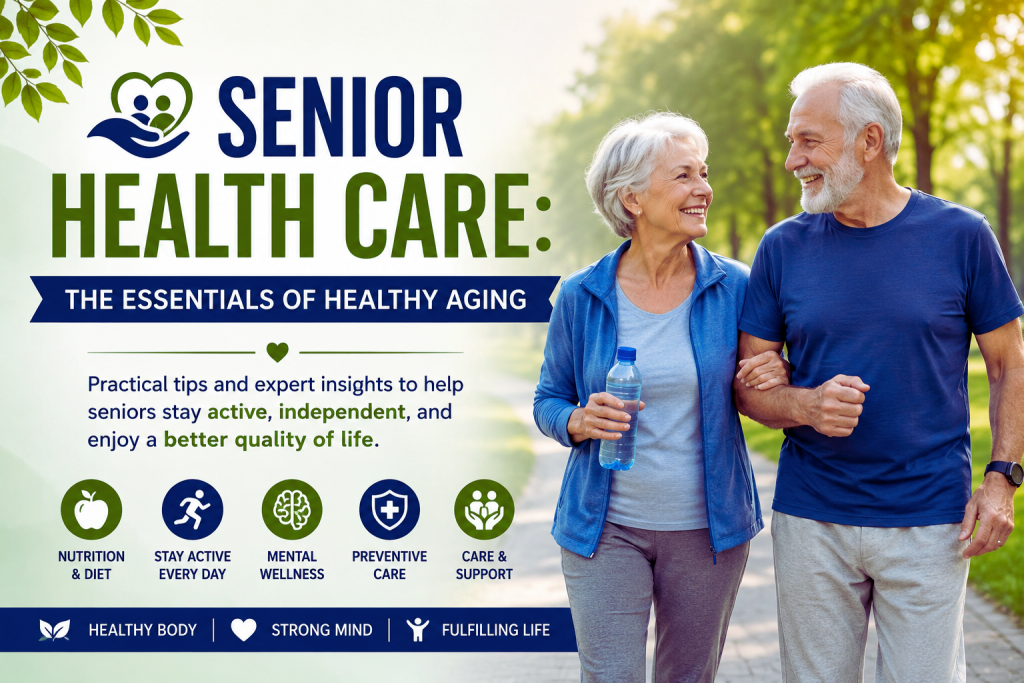
Introduction of senior health care
Aging is a natural process, but there are ways to age well, such as planning, healthy living, and medical assistance. Senior health care is an essential component of helping senior citizens maintain independence, health, and a longer life they deserve and want, without getting sick or developing chronic diseases. There are millions of seniors living longer than ever, and keeping seniors healthy is one of the greatest public health challenges today.
Today, in addition to a disease-focused approach, health care for seniors has become more focused on prevention, early detection, wellness, and long-term care. It’s a blend of medical care, nutrition, activity, mental and emotional wellness, social interaction, and regular health checks. This comprehensive approach helps ensure that older people can maintain active and healthy lives.
One of the field’s key priorities is promoting healthy ageing through elderly health care. Old age is NOT a disease. It’s all about maintaining your body, keeping your mind in shape, your heart in check, and your social life alive. Few lifestyle changes, such as a nutritious diet, physical activity, a good night’s sleep, and routine medical screenings, can make a significant difference.
As an individual or family caregiver to an older family member, understanding senior health care can help you make informed choices that support wellness throughout your life. This will take you through senior health management, a healthy lifestyle for seniors, and why quality health care is essential for a healthier, happier life.

Senior Health Care – What is it?
Senior health care is health care provided to senior citizens (people aged 60 or older). Treatment must be individualized and based on the principles of prevention, disease management, rehabilitation, and maintaining independence, depending on the medical needs of different ages.
Compared to the care required for young adults, healthcare for seniors has a number of more physical, mental, and emotional requirements. It includes periodic physical checks, immunizations, nutrition information, physical therapy, handling medications, and therapy for chronic illnesses. Healthcare workers can work together to provide comprehensive care to the elderly, such as doctors, nurses, physical therapists, dietitians, pharmacists, and caregivers.
What’s different about Senior Health Care?
With age, the body undergoes natural changes. Strength of muscles wanes with age; bones weaken; vision and hearing may be impaired; and the body’s immune system becomes less effective. These changes increase the likelihood of falling and developing chronic diseases and infections. These age-related challenges are why senior health care is focused on prevention rather than treatment.
Senior health care is all about achieving the following aims:
- Avoiding disease altogether.
- Early detection of health problems with screening.
- Good management of chronic diseases.
- Providing mental/emotional health.
- Encouraging healthy aging.
- Facilitating the lives of older people to live independently.
With the achievement of these objectives, the health of seniors can be significantly improved, leading to greater activity, productivity, and social involvement.
How is the well-being of the elderly more important today?
High proportion of elderly in the population. According to health professionals, today’s people are living longer than ever before as a result of medical advances, improved nutrition, and living conditions. Although a longer life expectancy is a good thing, it underscores the need for excellent senior health.
The problems seniors are facing that are preventing them from accessing the care they need are increasing their risk for age-related diseases such as heart disease, diabetes, arthritis, osteoporosis, dementia, and high blood pressure.
These can sometimes result in a loss of independence and a decreased quality of life.
Some of these problems can be prevented if elderly care is properly carried out before they become troublesome. Regularly visiting a doctor, maintaining good health habits, and getting preventive health screenings early can help people treat health problems before they become serious, while vaccination can help prevent severe health problems.
Good Senior Health also helps keep seniors out of hospitals and reduces healthcare costs, and keeps them independent longer. People over 65 who are worried about healthy ageing are likely to have better mobility, mental health, and greater self-confidence in their ability to perform daily activities.
It’s important to stay healthy as you age.
One of the primary objectives of modern senior health care is to achieve healthy aging. It’s about promoting active living to support the physical, mental, emotional, and social well-being of older adults.
Those who think about old age generally associate it with health issues. The fact is that many diseases can be put on hold, if not avoided entirely, by adopting a healthy lifestyle, and these diseases are age-related. In reality, there are many diseases that can be postponed if not avoided by making healthy life choices, and they are age-related diseases. Successful healthy aging is related to adequate nutrition, exercise, stress management, proper sleep, and preventive medical care.
The benefits of Healthy Aging are:
Having a healthy lifestyle can bring many rewards, including:
Higher levels of fitness and mobility.
Improved Memory and brain functioning.
Minimize the risk of chronic diseases.
• Increased independence.
• Improved emotional well-being.
• Longer life expectancy.
Improved overall health of Seniors.
Health care professionals and others would like seniors to view good health as a lifestyle, rather than a goal. All Healthy Choices lead to better health care outcomes for older adults and encourage healthy living.
Understanding Healthy Aging
What is Healthy Aging?
Healthy aging is living a healthy life physically, mentally, and socially during the aging process. It’s not like it isn’t getting sick, but it’s about how you deal with sickness as you get older and still enjoy life!
So, a healthy aging is successful when it involves.
• Regular physical activity.
• Nutritious eating habits.
• Preventive healthcare.
• Positive mental health.
• Strong social relationships.
• Lifelong learning.
• Routine medical care.
These exercises and proper senior care will allow older adults to live productive, active lives.
Evidence of the changes that happen to the body as it gets older.
The body undergoes changes as we get older. Muscle mass is lost, bone density decreases, metabolism slows, and joints become less flexible over time. Sometimes vision and hearing may also become impaired over time.
These are typical changes and can typically be managed by performing regular health checks, strength training, adopting a healthy eating plan, and receiving health care for seniors as needed.
Healthcare providers recommend.
• Walking regularly.
• Strength exercises.
• Calcium-rich foods.
• Vitamin D supplementation.
Regular checkups on bone density.
The practices can help keep seniors healthy and prevent falls and fractures.
Mental and Emotional changes.
Mental health care is an integral aspect of the elderly’s health care. Seniors often experience emotional problems, such as retirement, isolation, loss, or long-term illness.
Common concerns include.
• Stress
• Anxiety
• Loneliness
• Depression
Fortunately, emotional health is a component of good aging. Social interactions, interests, giving back, mindfulness, and professional counseling (when required) are all factors in a senior’s well-being.
There is a consistent relationship between older adults’ social engagement and their cognitive function and life satisfaction.
Common health issues that are experienced by many older people.
With age comes a greater risk of suffering from a variety of chronic diseases, making senior health care a more critical element in senior wellness.
The more prevalent health issues are:
• Heart disease
• Diabetes
• Arthritis
• Osteoporosis
• High blood pressure
• Vision loss
• Hearing impairment
• Dementia

Alzheimer’s disease
The best treatment and early diagnosis for seniors is through regular health care. Many diseases can be identified early through regular check-ups.
Elderly health care requires treatment and lifestyle changes to reduce the risk of complications and provide the best possible care.
Frequent problems in the aged.
People older in age are at risk of having chronic medical conditions, but don’t add any chronic condition to the list because the person is older. It’s essential to know about these common diseases and take steps to prevent them when it comes to senior health.
Heart Disease
Older adults continue to have heart disease as their top cause of death. The risk factors for cardiovascular disease are high blood pressure, high cholesterol, smoking, obesity, and lack of exercise.
Taking care of your blood pressure, eating right, and exercising are the foundations of senior health care.
Diabetes
Type 2 diabetes is a condition affecting millions of elderly people around the world. For long-term health and aging benefits, good blood sugar control, a healthy diet, weight management, and regular medical care are essential.
Arthritis
Arthritis is characterized by pain, stiffness, and reduced joint mobility. A healthy lifestyle, physical therapy, and low-impact exercise are ways to help seniors stay healthy and independent.
Osteoporosis
Bone loss puts individuals at risk for fractures, especially in older women. Calcium, vitamin D, exercise, and regular bone density checks are important in preventing bone loss, which is part of seniors’ health care.
All visual and/or hearing disabilities. Any impairment of sight and/or hearing.
Regular eye screenings and hearing tests can help identify issues, prevent accidents, and enhance communication.
Depression and Anxiety
The psychological needs of the individual should be addressed in the same manner as the physical health needs. Counselling, social support, physical activity, and good treatment are effective in improving emotional health and quality of life.
Creating a chronic disease management plan for seniors.
Older adults are at high risk for developing one or more chronic diseases. Older adults are more likely to suffer from heart disease, diabetes, arthritis, osteoporosis, and high blood pressure, among other conditions, and often are on a regimen of ongoing medical treatment. However, a chronic condition doesn’t have to be a limitation to seniors enjoying a healthy and active lifestyle. Many chronic diseases can be treated if properly diagnosed early, managed, and lifestyle changes are made.
The goal in chronic disease management is to prevent complications and ensure seniors can live as independently as possible. Better long-term health outcomes can be achieved through regular doctor visits, medication checks, healthy eating, exercise, and routine lab tests.
Healthcare professionals also give seniors the opportunity to take charge of their health, provide up-to-date information on their medical conditions, and report any new symptoms early. Disease control can play a role in maintaining not only physical health but also emotional health and quality of life.

Diabetes Care
Diabetes is one of the most frequent chronic conditions of older people. If left untreated, it can cause heart disease, damage to the kidneys, nerve problems, and vision loss.
Managing diabetes includes:
Regularly check blood sugar.
• Eating balanced meals.
A decrease in sugar-sweetened food and drinks.
- Exercising regularly.
– Taking medicine(s) as prescribed.
Having regular visits to health care personnel.
In addition, yearly eye checks and regular foot checks are essential, as diabetes can cause long-term vision and circulation problems.
Heart Health
Older adults are still more likely to die due to heart disease. Fortunately, numerous cardiovascular problems can be prevented by maintaining a healthy lifestyle.
These are some of the ways to help remain heart-healthy:
Consuming foods that are good for the heart (fruits & vegetables).
• Reducing salt intake.
• Managing cholesterol levels.
Having a healthy weight.
Fifteen to 30 minutes of exercise a day for at least 150 minutes each week.
• Quitting smoking.
• Managing stress effectively.
Regular health check-ups, including blood pressure and cholesterol tests, will help your health care provider detect heart disease early and prevent severe complications.
Blood Pressure Management
Individuals with high blood pressure may have no symptoms, and it is important to get routine checks.
Seniors should.
Have blood pressure checked regularly.
• Reduce sodium intake.
• Stay physically active.
Maintain an appropriate weight.
• Limit alcohol consumption. Follow medical dosages.
When you control your blood pressure, you reduce your risk of heart failure, kidney disease, and stroke.
Arthritis Treatment
Arthritis results in pain, swelling, and stiffness in the joints, making it hard to do everyday tasks.
Treatment options include.
• Physical therapy.
• Gentle stretching.
• Walking.
• Swimming.
• Anti-inflammatory medications.
To be at a healthy weight.
Although the most important treatment is resting, extended periods of rest may not be as effective as regular exercise in reducing pain.
Osteoporosis Prevention
The bones become less dense (lower strength) as one ages and are more likely to fracture.
Healthcare professionals recommend.
• Calcium-rich foods.
• Vitamin D supplements.
• Weight-bearing exercises.
• Bone density screening.
• Fall prevention strategies.
Good bones can result in greater mobility and independence.
Mental Wellness and Mental Functioning
When it comes to mental health, it’s as important as physical health in aging. Emotional health affects happiness, relationships, memory, energy, and sleep.
Retirement, reduced mobility, financial concerns, sickness, and loss of a loved one are some of the factors that can lead to emotional challenges in many older adults. These issues can be addressed early, and potentially avoid other more severe mental health issues.
Mentally Healthy for Seniors.
Mental wellness helps older adults remain independent, confident, and active in their community.
Healthy habits include.
Maintaining family relations.
Being a participant in community activities.
• Practicing hobbies.
• Volunteering.
• Exercising regularly.
Maintaining good sleeping habits.
Interventions to reduce loneliness and/or promote emotional resilience.
Depression and Anxiety
Depression is not a part of the normal aging process, but it can happen to many older people.
Common symptoms include.
• Persistent sadness.
• Loss of interest.
• Fatigue.
• Poor concentration.
• Sleep disturbances.
• Changes in appetite.
Therapy may include socialization, physical activity, psychotherapy, and psychotropic medications.
Alzheimer’s Care
As Alzheimer’s develops, memory, thinking, and daily activities are impaired, but this is a gradual process.
Early diagnosis has many advantages.
• Better treatment planning.
• Improved symptom management.
• Increased family preparation.
Enhanced decision- making regarding long- term care.
Caregivers need to maintain simple, normal daily routines, encourage daily exercise, and create a secure home.
Dementia Care
Dementia is a term for a number of illnesses involving memory loss and confusion.
The aims of supportive care are.
• Safe home environments.
• Medication management.
• Memory exercises.
• Emotional support.
• Caregiver education.
Early intervention can positively affect patient and caregiver QOL.
Cognitive Health
Maintaining brain activity can help slow down mental deterioration.
Experts recommend.
• Reading books.
• Solving puzzles.
• Learning new skills.
• Playing memory games.
• Socializing regularly.
• Exercising consistently.
Lifelong brain health is fostered by brain activity.
Home & Personal Safety for Seniors.
Falls are a continuing major source of injury for older persons. A safe home allows seniors to live independently and reduces the risk of falling.
Fall Prevention
Simple changes can make a big difference in reducing the risk of falls:
• Wear supportive shoes.
• Install grab bars.
• Improve home lighting.
• Remove loose rugs.
Balance Exercises.
Balance training and strength exercises are particularly helpful.

Home Safety Tips
A safer home is a home that has all of the following:
• Smoke detectors.
• Carbon monoxide alarms.
• Non-slip flooring.
Easy access emergency telephone numbers.
• Organized living spaces.
These enhancements help to decrease injuries and boost confidence.
Bathroom Safety
a large fall hazard area is the bathroom.
Recommended improvements include.
• Grab bars.
• Raised toilet seats.
• Non-slip mats.
• Walk-in showers.
• Shower chairs.
Emergency Preparedness
All seniors should be provided with:
• Emergency contacts.
• Medication lists.
• Medical identification.
• Flashlights.
• First-aid kits.
Preparation is a factor of safety in times of emergency.
Senior Home Health Care is available.
Many seniors want to live in their own homes and receive care there.
In-Home Senior Care
Professional Careers provide assistance in the following areas:
• Bathing.
• Dressing.
• Meal preparation.
• Transportation.
• Medication reminders.
• Light housekeeping.
Assistance to the elderly to remain independent for as long as possible. Services are provided in the individual’s home.
The medical home care can consist of.
• Skilled nursing.
• Physical therapy.
• Occupational therapy.
• Speech therapy.
• Wound care.
These services help to avoid unwarranted hospital visits.
Assisted Living for seniors
Assisted living communities are residential facilities that offer daily care.
Benefits include.
• Social activities.
• Nutritious meals.
• Medication management.
• Housekeeping.
• 24-hour support.
These communities promote independence and provide support.
Nursing Home Care
In a nursing home, seniors who have more advanced health issues will be cared for around the clock.
Residents receive.
• Skilled nursing.
• Rehabilitation.
• Medication management.
• Personal care.
• Specialized medical treatment.
Memory Care Services
A memory care facility specializes in caring for and treating elderly individuals with Alzheimer’s or dementia.
Services include.
• Structured routines.
• Secure environments.
• Cognitive activities.
• Trained caregivers.
• Individualized care plans.
Supporting Family Caregivers
Family members provide the bulk of the long-term care for older people. While working as a caregiver can be rewarding, it can also lead to physical, emotional, and financial stressors.
Caregivers should:
• Ask for help.
• Join support groups.
• Take regular breaks.
Be familiar with community services available.
Be responsible for their own physical and mental well-being.
Healthy caregivers care for their loved ones.
Senior Health Checklist
With a routine, caring for good health is simpler.
Daily Checklist
- Take medications.
- Eat balanced meals.
- Drink enough water.
- Exercise.
- Stay socially active.
Weekly Checklist
- Plan healthy meals.
• Review medications.
• Monitor blood pressure.
• Participate in hobbies.
Monthly Checklist
- Track weight.
• Review health goals.
Make appointments as necessary.
Annual Medical Checkups
All seniors should be given.
• Annual wellness examinations.
• Vision tests.
• Hearing screenings.
• Dental examinations.
• Vaccinations.
- Bone density testing.
Recommendation for cancer screening by the physician.
Conclusion.
The last chapter in the book is dedicated to senior health care and healthy aging.
While ageing is a natural process, certain choices individuals make daily will significantly impact how they age. We’ve gone through all the important points of senior health care in this comprehensive guide, from aging gracefully and maintaining a healthy lifestyle to dealing with chronic health issues, protecting mental health, making your home safer, and choosing the best long-term care.
These strategies all build a solid foundation of support for improving the health of seniors–and for older adults’ living healthier, happier, and independent lives. One of the key priorities is the concept of healthy ageing, which can be defined as ageing well – not simply living as long as possible, but living strongly, clearly, resiliently, and connectedly in later life.
Seniors can minimize the risk of many age-related diseases and improve their quality of life by following these lifestyle changes: eating a nutritious diet, staying physically active, getting adequate quality sleep, managing stress, making regular medical checkup appointments, and following preventive health care recommendations.
Senior health care is about more than just addressing disease once it’s happened. It focuses on prevention, early detection, chronic disease management, routine health surveillance, vaccinations, medication management, and personalized health plans to tackle the specific needs of every older person. With loving, caring, old-age care, though, caring for the elderly’s emotional state and encouraging their family to be involved and their caregivers to assist them in remaining as independent as possible is important.
If you’re doing it for yourself or someone you care for, be aware that your lifestyle might change, and it’ll affect you if it’s modified gradually. Healthy eating, physical activity, emotional health, social relationships, and preventive health are a priority today and will lead to better health, mobility, and independence over time. The more positive decisions you make, the more you are making toward better health and healthy aging in your senior years.
The bottom line is there is no one right way to age well, but there is a right way. By working with health care providers, implementing evidence-based wellness strategies, and making informed life choices, seniors can successfully age with confidence and live life to the fullest. Today’s investment to provide health care is an investment in a healthier, safer, and more rewarding tomorrow – a better tomorrow for all older adults to age with dignity, with confidence, and the highest possible quality of life.
Senior Health Care: Advanced Guide to Senior Living & Long-Term Care – Learn about the basics of senior living and long-term care.
A commonly asked questions section (FAQs) is provided.
The most common health issues of the elderly are.
Heart disease, arthritis, diabetes, osteoporosis, high blood pressure, dementia, hearing loss, vision issues, and depression are common health issues for seniors. They can be identified and addressed at a young age by regular senior health care and preventive health examinations.
So, what are the 7 foods best for seniors’ health?
The healthiest food for healthy ageing is:
Leafy green vegetables
Fresh berries
Fatty fish (salmon and others)
Whole grains
Low-fat dairy products
Nuts and seeds
Beans and legumes
These foods provide a rich supply of nutrients that help keep hearts, brains, bones, and overall health in the senior population healthy.
What are some strategies by which older individuals can stay healthy?
Elderly health care involves maintaining a healthy diet, exercising, getting enough sleep, reducing stress, drinking plenty of water, taking medications, and having regular checkups.
At what intervals should senior citizens get a health checkup?
The majority of seniors should get a full health check-up once a year at their health care provider’s office. If a person has a chronic health condition, they may need to go to the senior citizen care center more frequently than they would if they didn’t have a chronic health condition, based on their doctor’s recommendations.
What are the most suitable exercises for the senior age group?
Aerobic activities, such as walking, swimming, cycling, yoga, stretching, and strength training, are good forms of exercise for older people. Regular exercise improves balance, flexibility, heart health, and healthy aging.
What vitamins do the elderly need in their diet?
These are the supplements that are commonly used by many seniors: Vitamin D, Calcium, Vitamin B12, Omega-3 fatty acids, and Magnesium. But supplements are to be avoided unless recommended by a health care provider.
What is the importance of preventive health care to the elderly?
Seniors should be proactively treated through regular screening and vaccination, and encouraged to adopt healthy lifestyles that help detect diseases at an early stage, prevent serious disease, reduce health care costs, and improve quality of life.
How much water is recommended for seniors?
Unless otherwise directed by your doctor, most seniors require 6 to 8 glasses (or 1.5 to 2 liters) of water a day. Drinking enough water is essential for seniors’ digestion, kidney function, and overall health.
What are some symptoms seniors should NOT ignore?
If these symptoms occur in the elderly, such as chest pain, sudden confusion, severe dizziness, unexplained weight loss, being very short of breath, feeling extremely tired all the time, or falling a lot, they should get medical help. If your senior has any health conditions, getting them treated at the earliest stage of their symptoms is crucial to ensuring the best possible health care outcome.
What are some ways to enhance the health of older adults?
The best ways to improve senior health are to ensure they get enough exercise, eat a healthy diet, stay fit and healthy through preventive care, get a good night’s sleep, manage stress, interact with others, and get routine health screenings.
What is the best way to respond to their emotional needs?
Love, respect, independence, social interaction, and emotional support are the things the older person needs. These needs can be addressed to promote optimal mental health and successful healthy ageing.
Can there be a reduction in the likelihood of age-related diseases with a healthy lifestyle?
Yes. Following a healthy lifestyle, by eating right, staying active, keeping a healthy weight and body mass index (BMI), and not smoking, will significantly lower your risk of developing heart disease, diabetes, osteoporosis, stroke, and cognitive decline. The practice of good nutrition, regular exercise, and a regular senior health care program is well known to prevent chronic diseases.
Live-In Caregiver for Seniors: 10 Amazing Benefits

Welcome to USA Senior Citizen, a trusted resource dedicated to helping older adults live healthier, happier, and more independent lives.
Our mission is to provide valuable information, practical tips, and helpful guidance for seniors and their families. We cover important topics including **senior health, retirement planning, senior living, caregiving, technology for seniors, and everyday lifestyle solutions**.
At USA Senior Citizen, we believe aging is not about slowing down — it is about embracing new opportunities, staying connected, and enjoying every stage of life. Our goal is to make life easier for seniors by sharing simple, reliable, and easy-to-understand information that supports better decisions and improved well-being.
Whether you are looking for advice on maintaining a healthy lifestyle, exploring retirement options, learning new technology skills, or finding ways to stay active and independent, USA Senior Citizen is here to guide you.
We are committed to creating a supportive online community where seniors can discover useful resources, gain confidence, and continue living life with dignity and purpose.
USA Senior Citizen — Empowering Seniors to Live Better Every Day.