
Introduction
As people get older, their lives change in many ways. They may not be as strong or mobile as they used to be. This can make it harder for them to live safely in their homes. Many seniors want to stay in their own homes and live independently. To do this, they need to make their homes safer. A safe home can help prevent injuries and make life easier for seniors.
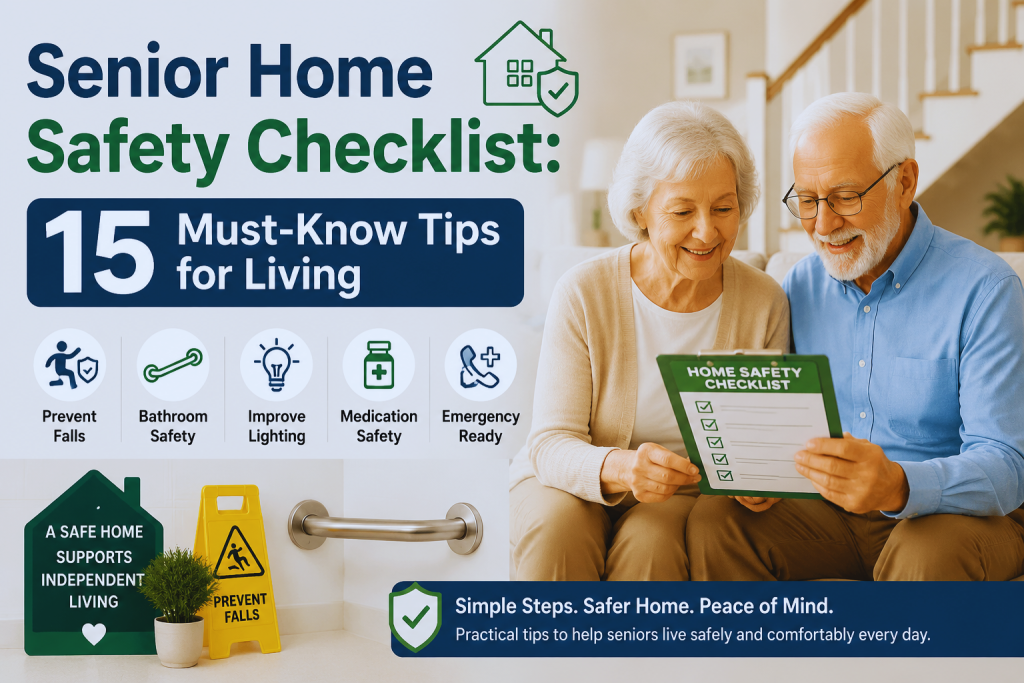
A Senior Home Safety Checklist is a tool to help seniors and their families identify potential hazards in the home. It can help them make changes to prevent accidents. From removing tripping hazards to improving lighting, organizing medications, and making daily activities easier, small changes can make a difference in senior safety.
Why Is Home Safety Important for Seniors?
Home safety is crucial for seniors because it helps prevent injuries and allows them to maintain their independence. As people age, their bodies change. They may have muscles, poorer vision, and slower reflexes. This can make everyday tasks more challenging. A safe home environment reduces risks and gives seniors more confidence in their daily routines.
Preventing Injuries and Accidents

One of the reasons home safety is important for seniors is to prevent injuries. Falls are an accident that can happen to older adults, and they can lead to serious health problems. Simple hazards like carpets, slippery floors, and poor lighting can create dangerous situations. By identifying these risks and making changes, seniors can reduce their chance of falling.
A safe home also helps prevent accidents like burns in the kitchen or injuries from reaching for items that are out of reach. By creating an accessible environment, families can protect their loved ones from avoidable dangers.
Helping Seniors Maintain Independence
Many seniors want to stay in their homes because it provides them with comfort and emotional security. Safety improvements do not mean taking independence; instead, they help seniors continue to do daily activities with confidence.
A designed home allows seniors to move freely, complete personal tasks, and participate in household activities without unnecessary limitations. Simple modifications, like adding support bars in the bathroom or improving room organization, can make everyday life easier while preserving a senior’s sense of control.
Creating a Secure Living Environment
A safe home should not only prevent accidents but also create a comfortable place where seniors feel relaxed and supported. Temperature control, lighting, easy access to essential items, and organized spaces all contribute to a better living environment.
Emotional well-being is also connected to home safety. When seniors feel secure in their surroundings, they are more likely to stay active, socialize, and maintain an outlook. A comfortable home environment supports both health and overall happiness.
Senior Home Safety Checklist: Room-by-Room Safety Tips
Every room in the home has safety considerations. A room-by-room evaluation helps identify hazards. Ensures that seniors can safely complete their daily routines.
Bedroom Safety Tips for Seniors
The bedroom is one of the important areas in a senior’s home. Many accidents can happen while getting in and out of bed at night. A safe bedroom setup improves comfort, reduces fall risks, and helps seniors start and end their day safely.
Keeping walking areas clear is one of the steps in creating a safer bedroom. Furniture, shoes, bags, and electrical cords should not block pathways. A clear path allows seniors to move easily without tripping or losing balance.
Proper lighting near the bed is also essential. Many seniors experience difficulty seeing clearly in light, especially when waking up at night. A bedside lamp, motion-sensor light, or accessible switch can help seniors navigate safely without walking in the dark.
Bathroom Safety Checklist for Older Adults
The bathroom is one of the highest-risk areas in a senior’s home. Water and smooth surfaces can increase the chance of slips and falls. A proper bathroom safety plan is a part of any Senior Home Safety Checklist.
Installing grab bars and handrails near toilets, showers, and bathtubs provides support when seniors sit, stand, or move around. These safety features improve balance. Reduce the risk of accidents.
Using slip mats or slip-resistant flooring can also help prevent falls. Wet bathroom surfaces can become extremely dangerous for seniors with balance challenges. Keeping the floor dry and using bathing equipment creates a more secure environment.
Kitchen Safety Tips for Seniors
The kitchen is a part of daily life, but it can also contain several safety risks for older adults. Cooking, handling appliances, and reaching for items can become more challenging with age due to balance, limited strength, or vision changes.
One important step is storing used items within easy reach. Seniors should avoid standing on chairs, stools, or unstable surfaces to reach cabinets or shelves. Keeping dishes, cooking tools, and used ingredients in accessible locations reduces the risk of falls and injuries.
Living Room and Hallway Safety
Living rooms and hallways are areas where seniors frequently walk, relax, and spend time with family members. Because these spaces often connect parts of the home, keeping them safe is an important part of preventing accidents.
Loose rugs, clutter, and unnecessary furniture can create obstacles that increase the risk of falling. Removing items that block walking paths allows seniors to move around comfortably and safely.
Stair Safety Tips for Elderly Adults
Stairs can be one of the dangerous areas in a senior’s home. Changes in balance, muscle strength, and vision can make climbing or descending stairs more difficult. A safe stair area is a section of any Senior Home Safety Checklist.
Installing handrails on both sides of the stairs provides extra support and stability. Seniors should always have something to hold onto while using stairs. Improving stair lighting is another safety step. Each step should be clearly visible at night. Motion-sensor lights or bright stair lighting can help prevent falls.
For seniors who have a hard time getting around, it is a good idea to limit the use of stairs or make a living space on one floor. This can be an option. Families can get advice to figure out the best solution for their seniors’ needs.
Preventing Falls at Home for Seniors
Falls are a concern for seniors. When a senior falls, they can get hurt, feel less confident, and have long-term mobility problems. This is why preventing falls should be a goal for senior safety. The first step to prevent falls is to find out what can cause them. This can include floors, poor lighting, uneven surfaces, clutter, and furniture that is not arranged safely. Regularly checking the home can help find problems before they cause accidents.
Preventing falls at home is one of the most effective ways to protect seniors from injuries and maintain their independence. Seniors can also reduce their risk of falling by improving their balance and mobility. They can do this by being physically active, doing balance exercises, and getting guidance from healthcare professionals. Staying active helps keep them strong and coordinated. Preventing falls at home starts with removing tripping hazards, improving lighting, and installing safety features like grab bars and handrails.
Wearing shoes is another way to prevent falls. Seniors should wear shoes that fit well and have slip soles. They should not wear slippers or shoes that do not fit properly. Preventing falls at home can significantly reduce the risk of fractures and other serious injuries among older adults.
Mobility devices can also help seniors who have trouble waPreventing falls at home
lking. Walkers, canes, and other tools can help them move around the home safely. Preventing falls at home requires regular safety checks, proper footwear, and the use of mobility aids when needed.
However, mobility aids should be. Used correctly. A professional can help make sure the device is right for the senior’s needs. Preventing falls at home helps seniors stay safe, confident, and independent while carrying out their daily routines.
Medication Management Tips for Seniors
Medication management for seniors is essential for preventing missed doses, reducing medication errors, and supporting overall health and independence. Taking medication correctly is important for health and safety. Many seniors take medications, and it can be hard to keep track of them. Good medication management can help prevent mistakes and support health.
Proper medication management for seniors helps ensure prescriptions are taken safely, improving treatment outcomes and quality of life. One way to stay organized is to create a medication schedule. Seniors should know what medications they take, when to take them, and why they need each one.
Using pill organizers can also make it easier to take medications correctly. These organizers help separate medications by day and time, reducing the chance of incorrect doses. Effective medication management for seniors can lower the risk of drug interactions while promoting safe and consistent medication use.
Keeping an updated list of medications is also important. This list should include prescription medications, over-the-counter medicines, supplements, and important instructions.
Family members and caregivers can help seniors with their medications by reminding them to take their pills and helping organize their prescriptions.
Good medication management is not about remembering to take pills; it is about creating a safe system that supports overall wellness. Medication management for seniors plays a vital role in maintaining health, preventing complications, and supporting independent living.
Helping Seniors With Daily Activities Safely
Helping seniors with daily activities is easier when caregivers create a safe, organized, and supportive home environment that promotes independence and well-being. As seniors get older, everyday activities can become more challenging. A complete Senior Home Safety Checklist should focus on preventing accidents and helping seniors complete routines safely.
Supporting seniors with activities requires understanding their individual needs and providing assistance when necessary. The goal is to create an environment where seniors can continue to participate in their daily lives with confidence. Helping seniors with daily activities starts with creating a secure home environment that supports their physical, emotional, and daily living needs.
Helping seniors with activities includes providing support with personal care, household tasks, meal preparation, and other important routines. When caregivers offer the appropriate amount of assistance, seniors feel more confident and remain actively involved in their lives.
A safe home environment combined with support can improve physical health, emotional well-being, and overall quality of life for seniors. Helping seniors with daily activities requires patience, proper planning, and home safety measures that encourage confidence and mobility.
Assistance With Bathing and Grooming
Bathing and grooming are daily activities, but they can be difficult for seniors. The bathroom is one of the common areas where accidents occur, making personal care safety important.
Caregivers can help seniors create bathing routines by preparing necessary items in advance. This reduces movement and prevents seniors from stretching or reaching in unsafe ways.
Installing safety features such as grab bars, shower chairs, and handheld showerheads can make bathing more comfortable and secure.
Maintaining privacy and dignity is also important when assisting seniors with care. Caregivers should encourage seniors to complete tasks they can safely manage while providing help when needed.
Regular grooming activities such as brushing teeth, combing hair, and maintaining hygiene also contribute to senior health. Supporting these routines helps seniors feel comfortable, confident, and emotionally positive.
Support With Dressing and Personal Care

Dressing can be challenging for seniors who experience mobility, joint stiffness, or difficulty with balance. A safe approach to dressing helps prevent injuries and allows seniors to maintain their routines.
Choosing clothing with simple designs can make dressing easier. Items with waistbands, easy fasteners, and comfortable fabrics may reduce frustration and physical strain.
The home environment also plays a role in safe dressing. Seniors should have a lit area where clothing is organized and easily accessible.
Caregivers supporting seniors with dressing should focus on encouragement rather than doing everything for them. Allowing seniors to participate in personal care activities helps maintain their skills and independence.
Helping seniors with activities successfully means finding a balance between safety and independence. Providing much assistance may reduce confidence, while too little support may increase risks.
Safe Meal Preparation
Nutrition is a part of healthy aging, but preparing meals can be difficult for some seniors. Challenges such as strength, balance issues, memory concerns, or difficulty handling kitchen tools may create safety risks.
A safe kitchen setup is important for any Senior Home Safety Checklist. Used items should be stored in easy-to-reach locations, and heavy objects should not be placed on high shelves.
Caregivers can support seniors by organizing ingredients, preparing meals together, or creating meal plans. This allows seniors to remain involved while reducing risks.
Kitchen safety is also important when using appliances. Seniors should be reminded to turn off ovens, stoves, and other devices after use.
Good lighting, clear countertops, and organized storage areas make cooking easier and safer. These improvements support independence while reducing the possibility of accidents.
Encouraging Independence While Providing Help
One of the important goals of senior care is helping seniors maintain independence. Safety improvements should support independence rather than create unnecessary restrictions.
A Senior Home Safety Checklist should focus on creating an environment where seniors can safely perform tasks. Simple changes such as improving accessibility, removing hazards, and adding equipment can help seniors continue their routines.
Caregivers should encourage seniors to make choices, participate in activities, and complete tasks they can safely handle. This approach improves confidence. Helps maintain a sense of purpose.
Emotional support is equally important. Seniors often value feeling respected and involved in decisions about their care. Listening to their preferences and providing assistance in a way creates a positive caregiving relationship. By combining safety measures with independence-focused support, families can help seniors enjoy a more fulfilling lifestyle.
Mobility Assistance for Seniors: Making Homes Easier to Navigate
Mobility plays a role in senior independence. Difficulty walking or moving around the home can increase the risk of falls. Make daily activities more challenging. Including mobility assistance for seniors in a home safety plan helps create a living space that supports comfort, confidence, and movement.
A safe home should allow seniors to move easily between rooms without obstacles. Improving accessibility, choosing mobility devices, and creating safer pathways can make a significant difference in daily life. Mobility assistance for seniors helps older adults move safely, maintain independence, and reduce the risk of falls and injuries.
Mobility assistance for seniors includes using walkers, canes, grab bars, and other supportive devices to improve daily movement. Mobility support is not about preventing injuries; it also helps seniors remain active, participate in family activities, and maintain a higher level of independence.
Improve Home Accessibility
Improving accessibility is a step in creating a safer environment for seniors. A home should be designed around the seniors’ abilities and challenges.
Simple adjustments such as widening pathways, rearranging furniture, and placing used items within reach can make movement easier. Seniors should not have to navigate spaces or unsafe areas to complete everyday tasks.
Bathrooms, bedrooms, kitchens, and entryways often require attention because these areas are frequently used. Adding support features and improving organization can increase safety throughout the home.
Accessibility improvements also help caregivers provide support. An organized home makes it easier to assist seniors while allowing them to maintain greater independence.
Choose Suitable Mobility Devices
Mobility devices can provide support for seniors who experience difficulty walking or maintaining balance. However, selecting the device is essential for safety and comfort.
Common mobility aids include canes, walkers, wheelchairs, and support rails. The correct choice depends on the senior’s abilities, balance, and daily needs.
A healthcare professional can help determine which mobility device is most appropriate. Proper fitting and correct use are important because used equipment may create additional safety concerns.
When seniors use mobility devices, they often feel more confident moving around their homes and participating in daily activities.
Create Safer Walking Spaces
Creating safe walking areas is one of the most effective ways to prevent falls at home. Seniors should have space to move comfortably without obstacles. Loose rugs, clutter, electrical cords, and unnecessary furniture should be removed. Organized properly. Floors should remain clean, dry, and free from hazards.
Good lighting is also essential for movement. Hallways, stairs, bathrooms, and bedrooms should have visibility to help seniors recognize obstacles. A safer walking environment allows seniors to move confidently and reduces the fear of falling.
Make Daily Movement Easier

Seniors can make daily movement easier by taking steps. They can start by improving their balance and mobility using mobility devices and creating a home environment. By making these changes, seniors can reduce their risk of falls, stay active, and maintain their independence. This can help them enjoy a more fulfilling lifestyle.
Daily movement is really important for seniors to stay strong, flexible, and independent. A safe home is very important for seniors it helps them stay active. Reduces the risk of getting hurt.
Small changes like putting chairs with armrests in the places, installing handrails, and arranging furniture properly can make it easier for seniors to move around. When you combine these changes with exercise and professional help, seniors can stay mobile for a longer time.
Creating a home environment is one of the best things families can do to help seniors stay healthy and independent. A planned Senior Home Safety Checklist helps find potential dangers, prevent accidents, and make life easier for older adults.
It helps prevent falls and makes the home more accessible. Helps with managing medications. Simple changes like adding lights, removing things that can cause tripping, making the bathroom safer, and organizing living spaces can reduce risks and make seniors more confident.
The goal of home safety is not to limit independence but to help older adults keep doing what they love in a safe environment. With the planning, tools, and regular safety checks, seniors can stay active and comfortable in their own homes.
Families can create a home that promotes independence, dignity, and a better quality of life for seniors by making safety a priority and providing support when needed.
Conclusion
Creating a safe home is one of the most important things families can do to help seniors stay healthy and independent. A good Senior Home Safety Checklist helps find things that could be dangerous, stop accidents from happening, and make life easier for people. Helping seniors with daily activities can improve their quality of life by making everyday tasks safer, simpler, and more comfortable.
From preventing falls at home and making it easier for seniors to get around to helping seniors manage their medicine and doing activities, every little change helps keep seniors safe and healthy. Simple things, like putting in lights, getting rid of things that could hurt someone, making the bathroom safer, and keeping living spaces tidy, can make a big difference and help seniors feel more confident.
Preventing falls at home begins with simple safety upgrades that create a secure living environment for seniors. The point of home safety is not to take away freedom but to help older adults keep doing the things they like and live safely in their own homes. With some planning, the right tools, and checking for safety issues regularly, seniors can stay active and comfortable at home. Mobility assistance for seniors is essential for maintaining balance, preventing accidents, and promoting safe independent living.
By thinking about safety and helping when needed, families can create a home that helps seniors be independent, respected, safe, and have a better life. This is what Senior Home Safety is about, and it is very important for seniors and their families to work on it together to make sure seniors have a great life at home.
FAQs
What is a Senior Home Safety Checklist?
A Senior Home Safety Checklist is a guide that helps identify and reduce risks in a senior’s home. It includes things like preventing falls, making the bathroom and kitchen safer, organizing medications, and improving mobility.
Why is home safety important for seniors?
Home safety is important for seniors because, as they age, their balance, vision, strength, and mobility can change, making them more likely to get hurt. A safe home helps reduce injuries, supports independence, and makes daily activities easier.
How can I prevent falls at home for seniors?
Preventing falls at home involves removing things that can cause tripping, like rugs and clutter, and making sure the floors are not slippery. You can also install grab bars, add handrails, use slip mats, and make sure seniors wear proper shoes. Preventing falls at home empowers seniors to enjoy greater independence while minimizing the risk of serious accidents.
What are the important bathroom safety improvements for seniors?
Important bathroom safety improvements include installing grab bars near showers and toilets, using slip-mats, improving lighting, keeping floors dry, and adding equipment like shower chairs.
How can seniors manage medications safely?
Seniors can manage medications safely by keeping a schedule using pill organizers and communicating with healthcare providers. Medication management for seniors includes organizing medications, setting reminders, and regularly reviewing prescriptions with healthcare providers.
What mobility assistance options can help seniors stay safe at home?
Mobility assistance options include tools like walkers, canes, wheelchairs, grab bars, and stair rails. The right tool depends on the seniors’ needs. Should help improve balance and reduce fall risks. Proper mobility assistance for seniors can enhance confidence, increase physical activity, and support a higher quality of life.
How can caregivers help seniors with activities?
Caregivers can help seniors with things like bathing, dressing, cooking, and taking medications. The goal is to provide support while encouraging seniors to stay independent.
How often should a senior home safety assessment be performed?
A senior home safety assessment should be done regularly, especially when there are changes in the senior’s health or living situation.
How can I make a home safer for a person living alone?
To make a home safer for an elderly person living alone, focus on improving lighting, removing fall hazards, organizing medications, and creating emergency plans.
What are simple changes that can improve home safety?
Simple changes like clearing walkways, adding nightlights, securing rugs, and improving bathroom safety can make a difference in creating a safer home environment for seniors.
Live-In Caregiver for Seniors: 10 Amazing Benefits

Welcome to USA Senior Citizen, a trusted resource dedicated to helping older adults live healthier, happier, and more independent lives.
Our mission is to provide valuable information, practical tips, and helpful guidance for seniors and their families. We cover important topics including **senior health, retirement planning, senior living, caregiving, technology for seniors, and everyday lifestyle solutions**.
At USA Senior Citizen, we believe aging is not about slowing down — it is about embracing new opportunities, staying connected, and enjoying every stage of life. Our goal is to make life easier for seniors by sharing simple, reliable, and easy-to-understand information that supports better decisions and improved well-being.
Whether you are looking for advice on maintaining a healthy lifestyle, exploring retirement options, learning new technology skills, or finding ways to stay active and independent, USA Senior Citizen is here to guide you.
We are committed to creating a supportive online community where seniors can discover useful resources, gain confidence, and continue living life with dignity and purpose.
USA Senior Citizen — Empowering Seniors to Live Better Every Day.