
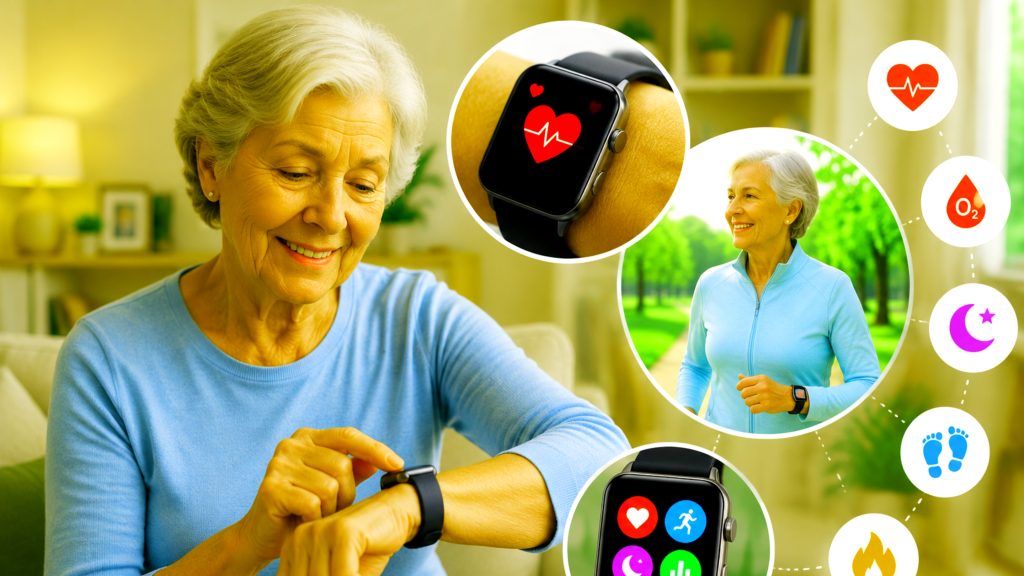
Embracing a Smarter Future for Healthy and Independent Living
Making a Smarter Future for Healthy and Independent Living a reality.
The information and communications technology (ICT) revolution is changing the lives of older people and the way they communicate and live their daily lives. Today’s inventions are making life easier than ever, from staying in touch with family and friends to keeping track of health issues and making the home safer. For many seniors today, they are learning that digital tools are not only easy to use, but are also important to helping them remain independent and healthy.
Over the past ten years, technology for seniors has greatly developed. Once thought of as complex devices have been made simple, easy to use, and accessible. Older people can enjoy the benefits of modern solutions without getting overwhelmed by using large screens, voice commands, touch controls and automation.
Adopting Technology for Seniors can help many families feel more at ease about their aging parents and relatives staying as independent as possible while getting extra help when they need it. From communicating with loved ones, organizing medicines, to increasing home safety, technology provides solutions to almost every life matter.
This guide examines how seniors can confidently embrace innovation and how they can use smart tools to live a safer, healthier and more connected life.
The rise of technology in today’s society is more important than ever for the older adults in our lives.
Aging is a growing problem in the world and many people want to continue to enjoy their lives in their own homes as they age. Being independent is linked to emotional health, self-confidence and self-control.
Modern Technology for Seniors is a great way to combine independence and support. It enables older people to carry on with their life routines, receive information, and utilize services that they previously had to reach by regular visits or support from caregivers.
The benefits are more than just convenience. Technology can have a positive impact on health, decrease loneliness, make one more safe and make life easier. Digital technologies are increasingly being seen as part of the solution for supporting aging populations, and with greater affordability and user-friendliness, they have become a key part of that solution.
The desire for independent aging has been increasing.
Many senior citizens do not want to go into assisted living facilities and want to age in place. The comforts of the familiar can help promote mental well-being and emotional stability.
That’s where technology for seniors who live alone comes in handy. People who live on their own can suffer from reduced mobility, health issues, or from a lack of social interaction. Smart devices will be a solution in helping to solve these problems and maintaining autonomy.
These are just some of the benefits that they offer:
Increased personal safety
Improved access to health care services
Better connections with family
Help to run the household
More confidence when doing daily activities
The growing popularity of Technology for Seniors Living Alone is making it possible for older adults to be secure and continue to enjoy independence.
Technology can provide many advantages to older adults who are living independently.
Being on your own does not mean you have to not have support. Modern digital solutions are transforming ageing by offering support when it is required.
Emergency preparedness is one of the great benefits of Technology for Seniors Living Alone. Monitoring devices can alert to any unusual activity, provide notification to caregivers, or send alerts in the event of an emergency.
Another important benefit is social connection. Video calling apps, messaging services, and social media sites enable seniors to connect with family and friends, even when they are far away.
Technology is also helping them to lead a healthy life. Seniors can track physical activity, medication schedules and be reminded of important appointments.
Additional benefits include:
Decreased loneliness
Better medication adherence
-Greater access to information
Improved home management
Greater self-confidence
With the increasing proliferation of innovations, Technology for Seniors Living Alone is changing the face of independent living in today’s society.
Smart Devices are enhancing QOL.
Convenience is a top driver for digitization among older people. Smart devices help ease a lot of routine problems and make things easier.
For instance, a voice assistant can give weather forecasts, play music, answer queries or make shopping lists without having to type anything. Smart lighting can automatically light hallways when the sun goes down, helping to prevent falls.
Smart Home Technology for Seniors is a great feature for many older adults as it enables them to create their own comfortable homes.
Some of the features that are part of a Smart Home System for Seniors consist of:
Automated lighting controls
Voice-activated assistants
Remote monitoring systems
Smart thermostats
Motion detection sensors
Connected appliances
The technologies aim to provide added comfort and to lighten the load of household activities.
Smart Living Tip #1: Leverage Smart Home Technology for greater safety.
One of the main issues for older adults and their families is safety. Luckily, developments in the home automation industry have made it easier to design a safe home environment.
Smart Home Technology for Seniors serves as an innovative solution to help protect a person and keep them free from the limitations of taking care of themselves. Home connected devices can create a more secure and convenient home for seniors.
Wireless Doorbells and Security Cameras with Smart Alarms.
New video doorbells offer an efficient way of keeping an eye on visitors and deliveries. An added safety feature means that seniors can determine who is outside their home without unlocking the door.
The security cameras can also be used to keep a remote check on any member of the family if required. These can assist in detecting abnormal behaviour and can offer reassurance to the elderly and their caregivers.
Smart Home Technology for Seniors is recommended by many experts due to the increase in awareness and the reduction of potential safety risks.
Motion Sensors and Fall Detection Systems.
Falls are one of the most common injuries suffered by older people. Motion sensors and fall detection devices can help outfit users with immediate help when needed.
Some systems automatically alert caregivers or emergency contacts should unusual movement patterns be detected. Some of them employ wearable gadgets that can alert wearers with a button press.
These features are valuable to senior citizens who are striving to remain independent and get timely support.
The smart locks are designed to provide improved protection.Smart locks for better protection.
People with mobility problems or arthritis might find that traditional locks are hard to use. Smart locks offer a convenient option that allows for keyless entry.
Benefits include:
Easy remote locking and unlocking
Caregivers’ temporary access to the building
Enhanced home security
Most importantly, it minimizes the chances of losing keys.
These advancements are increasingly becoming integral to the realm of Smart Home Technology for Seniors, particularly in a desire for convenience.
Emergency Alert Systems
Having an emergency system makes the lives of seniors and their families more peaceful. Users can press a button to call for help or to inform emergency personnel of any designated caregiver.
Emergency Alerts will be a critical safety measure for those using Technology for Seniors Living Alone. These can be used in the house or as portable items to make sure there is support when it is required.
As technology evolves, seniors now have solutions to help build confidence, independence, and security. As older adults take on the use of new tools, they can experience an improved quality of life and stay connected, safe and empowered in their daily lives.
Health and digital innovation are key factors in building confidence.
With ongoing advancements in technology, the older adult population can find tools now that help them stay healthy, make everyday life easier and give them greater independence. Many people think of technology as being geared towards the younger generation, but modern technology has been created to cater to the needs of the older generation. Increased size, user-friendly interfaces and voice control make the adoption of new innovations more accessible than ever.
Technology For Seniors is one of the greatest and most useful features of technology for the elderly. Technology is enabling seniors to have more control over their lives, be it through wearable technology that monitors their vital signs or digital platforms to help them learn new skills.
Smart Living Tip #2 – Take up Wearable Health Technology.
As you get older, health management becomes more critical, and wearable devices are becoming very effective in tracking health. These devices can offer instant health information, help get people moving and even detect signs of possible medical issues before they get to a stage where they are dangerous.
Wearable health devices are one of the most convenient and reassuring investments in Technology for Seniors for many families.
Smart wristwatches for Heart Rate Monitoring.
Smart Watches are way more than a watch. The modern model is now available with a number of options that are tailored to healthy aging.
Some common capabilities include:
The continuous monitoring of the heart rate.
Step counting
Activity tracking
Blood oxygen measurement
Fall detection
Emergency contact alerts
These features can help seniors to become more aware of their physical state and encourage them to be more active.
Smartwatches offer an extra measure of safety for users of Technology for Seniors Living Alone. In the event of a fall, or if the irregular heart rhythm is detected, alerts can be sent to family members or emergency contacts.
This preventive health monitoring allows for seniors to remain independent and communicate with caregivers if needed.
Activity Trackers for Everyday Life
Frequent exercise is crucial for keeping your body mobile, balanced and healthy. Fitness trackers inspire people to be active, by tracking their actions during the day.
There are many small goals that seniors can enjoy:
Walking a certain number of steps
Improving sleep quality
Maintaining the body’s health and strength
Keeping the body healthy and strong.
Tracking calories burned
Maintaining healthy routines
These basic activities can inspire and develop good habits that lead to lasting health.
Fitness trackers can be useful tools in the fight for healthier living and to help seniors live independently when paired with Technology for Seniors Living Alone.
Blood Pressure Monitoring Devices
Elderly people may be struggling with chronic conditions, and this can be a major challenge. There are connected blood pressure monitors, which can be used at home by seniors to obtain their readings and share them with health care providers.
Benefits include:
Reduced clinic visits
A convenient way to see trends over time easily.
Improved medication management
The ability to communicate more effectively with doctors.Improved communication with physicians.
Improved knowledge of the health changes
Digital monitoring devices are encouraged to be used by many healthcare providers, as they can be useful in making more accurate treatment decisions.
These advancements highlight the ongoing evolution of Technology for Seniors and its impact on enhancing access to personalized healthcare solutions.
Sleep Tracking Technology
Good sleep is necessary for good health – both physically and mentally. A sleep monitoring device can give you valuable information on sleep patterns and be used to detect sleep problems that may need to be addressed.
Features often include:
Sleep duration tracking
Sleep stage analysis
Movement detection
Breathing pattern monitoring
Personalized sleep recommendations
With knowledge of sleep patterns, seniors can make changes to enhance their well-being and their energy levels during the day.
It is crucial to have wearable technology as it allows older people to take an active role in their health care.
Smart Living Tip #3 – Use Voice Assistants for everyday convenience.
Voice technology is one of the most user-friendly innovations today. Voice assistants make everyday life easier: they can be used to communicate with devices using voice rather than the keyboard or touchscreen.
This is a major enhancement in usability for many seniors.
Voice assistants are seen as an integral part of the Smart Home Technology for Seniors as it saves them physical effort and helps them throughout the day without needing to use their hands on them.
Voice Commands for daily tasks
Voice assistants can execute a variety of tasks with just a word of voice.
Examples include:
Viewing the weather forecast.Viewing a weather forecast.
Playing favorite music
Reading news updates
Creating shopping lists
Answering general questions
Setting timers
All of this makes technology more accessible to those who might not be savvy with digital devices.
This means that Digital Literacy for Seniors is improving with the more relaxed use of voice-based tools.
Setting Medication Reminders
Health problems can result from not taking medicines as prescribed. Voice assistants can support seniors with prescription, appointment and daily routine reminders.
The following are examples of reminders:
Morning medications
Doctor appointments
Exercise schedules
Drinking water
Meal preparation times
This sort of automation can assist to lower stress and promote healthier practices.
Families find the benefits of Technology for Seniors Living Alone in supporting better medication adherence and daily structure highly valued.
Managing Appointments Easily
It can be difficult to remember appointments in the long run, particularly if one has to attend several appointments at once.
Voice assistants can work with calendar and be alerted for:
Medical appointments
Family events
Community activities
Prescription refill dates
Social gatherings
This is a great feature for seniors to keep them active and engaged.
Technology for Seniors helps make scheduling easier, thereby promoting independence and minimizing the need to rely on others to make plans.
Hands-Free Communication Features
Emotional health and wellbeing needs communication. Voice activated devices let seniors make phone calls, send text messages or communicate with loved ones without having to deal with complicated menus.
Benefits include:
Faster communication
Increased accessibility
Reduced frustration
Increased self-assurance with technology
Convenient communication with family and friends. Greater accessibility to family and friends.
These features are particularly beneficial to people with vision issues or limited mobility.
With increased awareness, there is a growing consensus that SHT for Seniors is a great means of improving communication and daily living.
Improving Digital Literacy for Seniors
It can be daunting to learn new technology, but in today’s society, it has become more and more vital to develop digital skills.
Fortunately, there are many resources available to help Digital Literacy for Seniors, allowing older adults to feel more at ease and reap the rewards of connected living.
Digital literacy is using devices, apps and online services effectively, and safely. These abilities will enable seniors to access information, communicate with others and be more involved in the digital world.
There are some practical steps that can be taken to increase Digital Literacy for seniors, such as:
Delivering first-time lessons on technology
Watching online tutorials
Practicing along with family members.
Using easy-to-navigate applications
Teaching a single feature at a time
A step-by-step approach to building confidence can be very effective towards long-term technology adoption.
Strong Digital Literacy for Seniors also plays a role in making the internet a safe environment for older adults to use, as they learn to identify scams, safeguard personal information, and use the Internet responsibly.
The process of acquiring new skills can lead to greater independence, more social connections and access to services that can improve the quality of life.
In an increasingly innovative world, innovation is not limited to convenience anymore, it is about promoting opportunities for better and safer aging and better quality of life.
Staying Connected and Managing Health in the Digital Age
Technology is now a necessary instrument for sustaining relationships, accessing health services and is now an aide for independent living. The use of digital technology has grown in importance for older people, as it provides them with the convenience, flexibility and means to stay connected with their family, friends and community.
Adopting Technology for Seniors is not just about learning how to use new technology. It is concerned with enhancing the quality of life, social networks, and access to vital services anywhere. Regardless of whether a person lives with family members or Technology for Seniors Living Alone, modern innovations can help bring a greater connectedness and fulfillment to their life.
Smart Living Tip #4 – Communicate using technology.
Keeping friends is vital to emotional health. Lone individuals can benefit from the joy and the sense of loneliness can be alleviated by frequent contact with family, friends and neighbors.
Nowadays, the communication technology is making it easier than ever to stay connected. Using a smart phone, tablets and video calling applications, seniors can connect in real time with family members, long-distance or not.
Video Calling Family Members
Video calls offer a more personal means of communication than phone calls. Familiarity can create a sense of connection and build relationships for seniors, helping them feel more connected to family activities.

The advantages of video communication are:
Face-to-face communication from home
Involvement in family events
Increased emotional support
Improved social engagement
Increased feelings of belonging to a community of learners.
Video calling is one of the best ways to help prevent loneliness and increase the frequency of communicating with family members and friends for many older adults who use Technology for Seniors Living Alone.
With more confidence, many seniors find digital communication more of a part of their lives.
Social Media for Seniors
Social media sites can also provide a chance to reunite with old friends, share stories and engage in online communities.
So many seniors like to use social platforms to:
Share photographs
Celebrate milestones
Join hobby groups
Follow local events
Read up-to-date news articles about subjects you are interested in.
Being involved in online communities can help enhance mental health and offer valuable social connections.
These skills also play a role in enhancing Digital Literacy for Seniors, making them more comfortable with online tools and applications.
Messaging Applications
Messaging apps offer an easy and convenient means to stay in touch all day long. There is no time limitation, and messages can be sent and read when the user wants with no time pressures.
Common uses include:
Sharing family updates
Sending photos
Coordinating appointments
Receiving reminders
Examples include:
Online classes
Virtual book clubs
Online streaming of religious services was raised.
Online religious services streamed.
Community discussion groups
Educational webinars
Having a baby grandchild, grandchild, or great-grandchild is a way for seniors to stay cognitively engaged and have a positive connection with others.
For the past five years, communication technologies have continued to show that age is no obstacle to connection and engagement.
This is Smart Living Tip #5: Use Telehealth and Online Medical Services.
Digital innovations have made healthcare more accessible. In the era of Telehealth, patients can now see healthcare professionals from the comfort of their own homes.
Telehealth can be one of the most advantageous developments in Technology for Seniors as it improves access to healthcare for many families.
Virtual Doctor Consultations
Virtual visits enable senior citizens to connect with healthcare providers over the phone on their smartphone, tablet, or computer.
Advantages include:
Reduced travel time
Easier appointment scheduling
Improved access to medical advice
Increased convenience
Continuity of care will be improved.
People with mobility challenges or in rural areas may benefit the most from telehealth services.
Senior citizens who rely on Technology for Seniors Living Alone value the chance to get professional advice in the comfort of their homes.
Online Prescription Management
When it comes to managing medications, it can become difficult if there are multiple prescriptions to deal with. Online healthcare portals streamline this by making it possible for people to keep track of and arrange medications.
Features often include:
Prescription refill reminders
Digital medication records
Pharmacy communication
Automatic refill options
Appointment notifications
These services can support older adults in sticking to their treatment plans and in ensuring that they do not miss out on medications.
The use of digital systems by more healthcare providers makes Digital Literacy for Seniors even more important in order to enjoy these convenient services.
Remote Patient Monitoring
Patient monitoring technologies allow healthcare providers to monitor patient information remotely, reducing the need for regular office visits.
Devices may monitor:
Blood pressure
Heart rate
Blood glucose levels
Oxygen saturation
Weight fluctuations
This information can be passed on securely to health services where they can discover any potential concerns earlier.
The ability to monitor remotely will be a key part of Technology for Seniors and promote proactive health care and management.
Benefits of Digital Healthcare
Telehealth and remote care solutions offer many benefits to both seniors and their caregivers.
These benefits include:
Greater healthcare accessibility
Improved treatment adherence
Reduced transportation challenges
Improved interactions with healthcare workers. Improved communication with health care workers.
Increased independence
With the adoption of digital health solutions, seniors can take an active role in their own health care and receive timely assistance with their health when they need it.
Senior living alone and how they can use the best smart home technology to help them.
For many older persons, it is important to have a safe and comfortable environment. Advancements in home automation have brought about practical solutions that will aid in independent living and make everyday life more convenient.
In today’s world, there are a range of Smart Home Technology devices available for seniors to make life safer, easier and less stressful.
Personal Emergency Response Systems
Emergency response systems are still one of the most critical options for older persons.
These devices can be used to:
Request help instantly
Contact emergency services
Notify family members
Access can be provided whenever necessary. Assistance to be given on demand.
There are many systems that feature wristbands or pendants that can be worn, so that help is always available.
With households using Technology for Seniors Living Alone, emergency response systems offer reassurance to both the senior and caregiver.
Medication Management Devices
Smart medication dispensers aid in the management of medication and also help to cut the danger of missed doses.
Features may include:
Automatic dispensing
Audio reminders
Visual alerts
App notifications for carers
Medication tracking reports
These machines are designed to help people’s health and independence.
Smart Speakers
Smart speakers are among the most popular Smart Home Technology for Seniors.
They can help with:
Voice commands
Entertainment
Scheduling reminders
Weather forecasts
News updates
The ability to communicate with family members.
Smart speakers are a convenient way to start with digital living, as they are easy to use.
Video Doorbells
Video doorbells are a great safety feature for homes for seniors since they enable seniors to view who is at the door prior to opening it.
Benefits include:
Enhanced safety
Visitor identification
Delivery monitoring
Allows remote access with Smartphones
Reduced security concerns
Video doorbells are a great investment for people who want to have a solution that helps them live independently.
With ongoing advancements in technology, Smart Home Technology for seniors could be even more personalized, easy to use, and accessible in the future.
Communication tools, telehealth, and smart devices can work together to keep older adults more independent, connected, and able to manage their health successfully.
Make a Safer and Smarter Future for Independent Aging Possible
Technology is still changing daily life for older people, making it easier for them to make their homes safer, access healthcare more easily and manage their daily routines. With the advent of more intuitive and affordable digital solutions, seniors can continue to live independent lifestyles while having the chance to enjoy greater comfort and convenience.
The last few smart living strategies emphasize ease of everyday activities, choosing the appropriate equipment, addressing some common obstacles, and getting ready for even more innovations that will affect the aging years to come.
It’s time to take a step toward a Smart Life with Smart Devices!
Cooking, cleaning, learning to manage the home, and doing laundry can be more difficult as one gets older, particularly as someone wants to keep their home and be on their own. Luckily, there are some practical solutions that can be implemented thanks to modern innovations, which can reduce the physical effort while enhancing the convenience.
Many experts believe that Smart Home Technology for Seniors is an effective means of assisting aging in place by enabling older adults to manage a number of parts of their home with minimum effort.

Smart Lighting Systems
Lighting, especially good lighting, is a critical component in decreasing falls hazards and enhancing visibility around the house.
Smart lighting can provide the following benefits:
Automatic activation in night time hours.
Handheld wireless remotecontrol operation
Voice command functionality
Adjustable brightness settings
Energy-efficient operation
These features can benefit older adults by helping to protect them from danger and eliminating the need to find switches in dark areas.
With the increase in homes using Smart Home Technology for Seniors, home automation is one of the most popular choices for improving home safety.
Automated Thermostats
The indoor temperature is an important factor in well-being.
Smart thermostats enable people to:
Adjust temperature remotely
Create customized schedules
Improve energy efficiency
Reduce utility expenses
Ensure a comfortable environment at all times.
These systems can perform tasks automatically according to daily life, enabling senior citizens to live in a comfortable environment without frequent manual adjustments.
Smart Kitchen Appliances
Technology is also enhancing the quality of the kitchen experience for older people. Modern appliances have been designed to make things easier and to minimize safety hazards.
Examples include:
Smart ovens with automatic shut-off feature
Connected refrigerators
Voice-controlled coffee makers
Digital cooking timers
Remote appliance monitoring
The innovations help to facilitate independent living through meal preparation.
Smart kitchen items offer extra peace of mind for households that use Technology for Seniors Living Alone, as they reduce the risks on the home front.
Home Automation for Independent Living
Home automation is an integration of several devices into a single system easily controlled.
Benefits include for Smart Home Technology for Seniors:
Greater convenience
Improved security
Reduced physical strain
Enhanced energy management
Increased independence
The versatility of Smart Home Technology for Seniors allows many to adjust their home to their preferences and needs as they age.
In the last of the seven Smart Living tips, choose technology that fits your lifestyle.
Not all products are appropriate for all people. The choice of the tools can vary based on individual objectives, health needs, and comfort with technology.
With care and consideration, Technology for Seniors can be a lot more fun and less daunting.

Ease of Use
Simplicity is one of the most crucial factors to take into account.
Seek out devices with:
Large displays
Clear instructions
Voice control capabilities
Easy navigation
Accessible settings
The products are specifically designed for older adults, which tend to have features that will minimize frustration and make them easiDigital Literacy for Seniorser to use.
Accessibility Features
But accessibility features can make a big difference to the user experience.
Useful features include:
Adjustable text sizes
Hearing assistance settings
Screen readers
High-contrast displays
Voice assistance functions
These tools promote Digital Literacy for Seniors by bringing technology to the forefront and making it more accessible and understandable.
The reliability of the product along with its Customer Support.Reliability and Customer Support.
Quality products with excellent customer service can really make a difference, particularly to the new user.
When buying devices, keep in mind:
Product reviews
Warranty options
Technical support availability
Setup assistance
Training resources
Seniors will find it easier to become confident in the technology they are using and more likely to use it in the long run if it is reliable.
Budget-Friendly Options
Technology does not always require a large investment.
Many affordable solutions provide meaningful benefits, including:
Basic fitness trackers
Smart speakers
Medication reminder devices
Video communication platforms
Simple security systems
Starting with one or two devices allows older adults to become comfortable with digital tools gradually.
Developing confidence through everyday use also strengthens Digital Literacy for Seniors, making future learning experiences easier.
Challenges Seniors Face When Using Technology
Despite the many advantages, some older adults may feel hesitant about adopting digital solutions.
Understanding these challenges can help families provide appropriate support.
Fear of Learning Something New
Many seniors worry that technology is too complex or difficult to understand.
Encouragement, patience, and hands-on guidance can help reduce anxiety and create positive learning experiences.
Learning one feature at a time is often the most effective strategy for building confidence.
Privacy and Security Concerns
Online safety remains an important consideration.
To stay protected, seniors should:
Use strong passwords
Avoid suspicious links
Verify unfamiliar messages
Update devices regularly
Enable security settings
Improving Digital Literacy for Seniors plays an essential role in helping older adults recognize potential risks and navigate the digital world safely.
Cost Considerations
Some advanced technologies may appear expensive initially.
However, many devices provide long-term value through:
Improved safety
Reduced healthcare expenses
Increased independence
Better quality of life
Families often find that investing in supportive technologies contributes significantly to overall peace of mind.
Frequently Asked Questions
What is the best technology for seniors living independently?
The best choice depends on personal needs. Smart speakers, medication reminders, wearable health devices, and emergency response systems are among the most beneficial options for independent living.
How does smart home technology support older adults?
Smart Home Technology for Seniors improves safety, convenience, and comfort through features such as automated lighting, voice controls, security systems, and connected household devices.
Why is digital literacy important for seniors?
Digital Literacy for Seniors helps older adults communicate effectively, access healthcare services, use online resources safely, and participate more actively in modern society.
Is technology difficult for older adults to learn?
Most modern devices are designed with simplicity in mind. With practice, guidance, and patience, many seniors become confident technology users.
Can technology reduce loneliness among seniors?
Yes. Video calls, messaging platforms, online communities, and virtual events allow older adults to maintain meaningful relationships and stay socially engaged.
Conclusion
Modern innovations are creating exciting opportunities for older adults to enjoy healthier, safer, and more fulfilling lives. From wearable health devices to voice assistants and automated homes, digital tools are helping seniors maintain independence while staying connected to loved ones and healthcare providers.
By embracing Technology for Seniors, older adults can improve their daily routines, strengthen social relationships, and gain greater confidence in managing everyday activities. Whether someone is exploring Technology for Seniors Living Alone, investing in Smart Home Technology for Seniors, or working to enhance Digital Literacy for Seniors, every small step toward adopting technology can contribute to a more comfortable and empowered lifestyle.
The journey toward smart living does not require mastering every device at once. Starting with simple solutions and gradually expanding digital skills can open the door to greater independence, improved well-being, and a brighter future for aging with confidence.

Welcome to USA Senior Citizen, a trusted resource dedicated to helping older adults live healthier, happier, and more independent lives.
Our mission is to provide valuable information, practical tips, and helpful guidance for seniors and their families. We cover important topics including **senior health, retirement planning, senior living, caregiving, technology for seniors, and everyday lifestyle solutions**.
At USA Senior Citizen, we believe aging is not about slowing down — it is about embracing new opportunities, staying connected, and enjoying every stage of life. Our goal is to make life easier for seniors by sharing simple, reliable, and easy-to-understand information that supports better decisions and improved well-being.
Whether you are looking for advice on maintaining a healthy lifestyle, exploring retirement options, learning new technology skills, or finding ways to stay active and independent, USA Senior Citizen is here to guide you.
We are committed to creating a supportive online community where seniors can discover useful resources, gain confidence, and continue living life with dignity and purpose.
USA Senior Citizen — Empowering Seniors to Live Better Every Day.