
Introduction
What is Senior Mental Health?
Senior mental health is the mental, emotional, and psychological health of the elderly. It affects seniors’ thinking, feeling, communicating, and coping. A healthy senior’s mental state helps him or her to enjoy meaningful relationships, be independent, and adjust to aspects of aging. In today’s ever-expanding lifespan, keeping the mind healthy is one of the most pivotal components of healthy aging.
Often it is thought that sadness, loneliness, or confusion is normal as people age. But this is not the case. Aging is accompanied by changes in body and lifestyle; but severe emotional issues should not be discounted. Depression, anxiety, and cognitive decline are symptoms that need intervention and expertise.
Senior behavioral health concerns the diagnosis, treatment, and prevention of emotional and behavioral disorders in older adults. It can involve counseling, therapy, medication management, and lifestyle changes that enhance quality of life. Families that are aware of the significance of senior behavioral health understand how to recognize early warning signs and seek the assistance they need before the problem escalates.
When symptoms are hard to manage at home, mental health facilities for seniors may be recommended, which offer special treatment and rehabilitation. When a family member exhibits serious changes in behavior or emotions, more people will start looking for senior mental health facilities near me or a senior mental health facility near me. The right level of care at the right time can be a difference in recovery and wellness.

Importance of mental health in older adults.
Everyone needs to be mentally healthy as well as physically healthy. Good senior mental health is correlated with staying active, socially involved, and independent in older age. They are likely to have better health outcomes, be involved in community life, and have better family and friendship bonds.
Mental health issues can affect every aspect of a senior’s life. When feeling depressed, a person might not be interested in eating nutritious foods or taking their medicine. Fears and worries can sometimes keep seniors from going to medical check-ups or social events. Chronic diseases like diabetes, heart disease, and hypertension can be aggravated by a weakened immune system due to prolonged stress.
That is why it’s important that healthcare providers start to pay greater attention to senior behavioral health, in addition to physical healthcare. Emotional wellness helps to make healthy choices, sleep well, remember things better, and cope with stressful life changes.
If emotional symptoms are affecting the way they function, families should not be afraid to look into treatment options available to them. In certain cases, mental health care for seniors provides structured therapy plans, medication monitoring, and tailored treatment. When researching senior mental health facilities near me online, consider their services, qualified employees, and therapeutic methods. The best mental health facility nearby should offer caring, evidence-based treatment that supports older people.
Key Facts and Statistics about Senior Mental Health
Knowing the facts increases families’ appreciation for the importance of senior mental health.
Key points to bear in mind are:
Depression and/or anxiety or other mental health issues affect millions of older adults around the world.
Social isolation can be an important contributor to emotional distress.
Many seniors do not get diagnosed, as they attribute their symptoms to “old age.
Early treatment leads to a better recovery and quality of life.
Regular exercise, healthy eating, and social interaction help to prevent mental health disorders.
Stigma is another issue that prevents many seniors from seeking help, according to healthcare experts. They might be afraid of being judged by others or of being embarrassed when talking about emotional issues. Increasing awareness of senior behavioral health can help prompt older adults to seek professional help before it’s too late.
Families should keep in mind that there is treatment available. Many older adults have benefited from counseling, medication, cognitive therapy, and support groups to enhance their emotional health.
People who need specific assistance can also find senior mental healthcare facilities that offer expert evaluations, treatment, and coordinated medical care. To find the best senior mental health facility near me, families can compare local mental health treatment centers and be sure they will find experienced professionals familiar with the special needs of the elderly.
Dementia and Alzheimer’s Disease
Dementia is a collection of symptoms that impact memory, thinking ability, reasoning, or daily functioning. The most prevalent type of dementia is Alzheimer’s disease.
While cognitive function is of primary concern with dementia, other aspects of senior mental health are also influenced. People can be confused, frustrated, have mood changes, depression, anxiety, or behavioral changes.
Comprehensive senior behavioral health care is a blend of medical and emotional care for both patients and carers. Many specialized mental health facilities for seniors offer memory care, which is a specialized treatment aimed at those afflicted with dementia.

Bipolar Disorder
A few senior citizens still live with bipolar disorder, and a few senior citizens are diagnosed with bipolar disorder very late in their lives. This disorder is characterized by alternating periods of depression with extraordinary feelings of happiness, activity, or impulsiveness.
Maintaining overall health and wellness for your senior loved ones with bipolar disorder requires ongoing behavioral health care, medication management, and medical follow-up. Long-term stability is also supported by family involvement.
Late-Life Schizophrenia
Schizophrenia is a relatively uncommon condition in older people, but can have a profound impact upon their mental health. Symptoms can range from hallucinations to delusions, confusion, and isolation from society. Early diagnosis will lead to better treatment results and improve the quality of life for seniors.
Treatment typically involves a combination of psychiatric medications, psychotherapy, family education, and community support. For more complicated cases, seniors might be advised to visit mental health facilities for seniors that have multi-disciplinary teams that provide constant supervision and individual treatment plans.
It’s important for families to learn about these common conditions so that they can understand that emotional and psychological issues can be treated. It is best to seek help at the earliest stage if you need community counselling or are looking for a reputable senior health facility near me or a dependable senior health facility near me, as early intervention can make the difference in recovery, independence, and quality of life.
Warning signs and symptoms that families shouldn’t ignore.
Being aware of the early signs of mental health issues in seniors can help improve the chances that they will recover and live a better life. Families might expect mood swings, forgetfulness, or isolation to be a normal part of ageing, but this can be a sign of an underlying mental health problem. Symptoms can worsen if early identification and treatment are not provided.
A change in personality or behaviour is one of the most frequent warning signs. A cheerful, active senior might suddenly become withdrawn, cranky, or not enjoy spending time with family and friends. They may stop engaging in hobbies they used to enjoy, avoid socializing, or become less motivated to do daily activities. If these feelings of sadness, hopelessness, worry, or unexplained fear last for more than a few days, it is not a normal reaction to stress and should not be ignored, as they may indicate depression or anxiety and are best addressed through professional senior behavioral health care.
Another important indicator is sleep disturbances. Many elderly people have trouble sleeping, and some sleep excessively. Loss of appetite, sudden weight loss, poor personal hygiene, and neglect of household chores can be signs of poor mental health in seniors. If memory issues hinder everyday functioning, frequent confusion, trouble making decisions, or loss of orientation in familiar environments should be assessed as soon as possible to determine whether dementia or another cognitive problem is present.
It is also important for families to pay attention if a loved one starts saying they feel like a bother, that they are hopeless, or that they think about hurting themselves. In these circumstances, medical help and advice must be sought immediately. For severe cases, doctors can refer older adults to mental health facilities where trained experts are able to offer constant care and therapy. When a family’s mental health condition becomes hard to manage at home, many families start looking online for a senior mental health facility near me or a reputable senior mental health facility near me. Early professional intervention greatly enhances treatment outcomes and helps older adults stabilize emotionally.
Five top risk factors associated with older adult behavioral health
The mental health of seniors is impacted by many different factors, and by understanding these risks, families can take preventative measures. Life experiences and health conditions can make a person vulnerable to mental illness, but aging is not in and of itself a cause of mental illness. Understanding these risk factors will help older adults and caregivers take steps to minimize their effects and maintain long-term emotional health.
Social isolation is one of the largest factors in poor behavioral health outcomes for seniors. There can be less social interaction on a daily basis as people grow older, retire, lose a spouse, or move to a different home where it is difficult to travel. Loneliness has been associated with depression, anxiety, memory loss, heart disease, and other physical diseases. Regular interactions with family members, neighbors, and community organizations are important for supporting mental health in older adults and for decreasing feelings of isolation.
Long-term illnesses are also significant. Diabetes, heart disease, arthritis, Parkinson’s disease, stroke, and chronic pain are examples of diseases that impact emotional health. When life is constantly uncomfortable, it can cause frustration, sadness, and anxiety. Meanwhile, some drugs can have side effects affecting mood, sleep, or memory. Medical reviews are regularly conducted to ensure medications are used safely and effectively and to support seniors’ physical and behavioral health.
For many older adults, death is also a significant struggle. When a loved one or friend dies, or when siblings or lifelong companions die, it can cause great emotional stress. Grief is a normal reaction to losing someone, but when it persists and disrupts your life, counseling or therapy might be needed. Emotional stress can also be caused by financial issues, a loss of independence, caretaking duties, or major life changes like moving to an assisted living facility.
If multiple risk factors are present, it may be necessary to seek expert intervention. Under such conditions, mental health centers for elderly people offer particular evaluations, guidance, medication management, and rehabilitation plans suitable for seniors. Families looking for mental health services for seniors. Mental health care providers in the senior category in proximity should be compared to find the best service, and choosing the right mental health facility near me will help seniors receive age-appropriate care from experts with a caring approach.

Understanding the impact of aging on emotional and cognitive well-being. Understanding the effects of ageing on emotional and cognitive health.
There are a number of changes in life with age that affect emotional health and cognitive function. Thinking, feeling, and reacting to daily situations can be affected by retirement, changing family roles, declining physical health, and loss of independence. Many elderly people adjust just fine, but some may not manage without emotional support. It’s crucial to recognize these changes to continue improving seniors’ mental well-being as they age.
Older adults may feel more stressed following life transitions such as retirement or the loss of a loved one. These transitions can be a lot to adapt to and at times can lower self-esteem and confidence. But older adults can successfully cope with these changes through healthy coping, supportive relationships, and the right types of senior behavioral health services.
Age can also bring about changes in cognition. Sometimes, forgetfulness is a sign of normal ageing, but when there is persistent confusion, significant memory loss, or an inability to perform familiar tasks, it is not a normal part of ageing. The symptoms could be a sign of dementia or other neurological disorder that needs medical attention. One part of healthy senior mental health is paying attention to both emotional and cognitive changes, and starting treatment early.
One of the best ways to maintain cognitive function is mental stimulation. Keeping the brain active through reading, puzzle solving, learning new skills, volunteering, and socializing can help. These activities can be done alongside professional senior behavioral health care services, as necessary, which help build confidence, independence, and improve quality of life. When cognitive symptoms become more severe, mental health facilities for seniors may be a more appropriate choice for the senior and may be able to provide more specialized memory care and behavioral support for older individuals.
Here are some tips on how to avoid mental health issues in older adults:
It is easier to prevent mental health issues than to treat them once they are serious. Good overall health, timely medical visits, and good social support positively influence the mental health of older adults. While prevention will not take away all of the risks, it will help to reduce the risk of the child having an emotional or psychological disorder later in life.
Possessing meaningful social connections is one of the best preventive measures. Emotional support and the alleviation of feelings of loneliness are achieved by spending time with family, community groups, volunteer work, religious services, or hobby groups. Social involvement helps to spark the brain and boost seniors’ behavioral health.
Regular medical examinations are also an important component. Depression, anxiety, side effects of one’s medication, hearing loss, vision, and cognitive loss are all things that doctors can determine prior to symptoms becoming severe. Early diagnosis means more effective treatment and maintenance of senior mental health throughout.
Stress control is also crucial. Relaxation techniques, including meditation, deep breathing, prayer, gardening, or spending time outdoors, can help calm anxiety and balance emotions. Positive daily routines can help seniors sleep better, feel better, and be more resilient when life gets tough.
Family support remains as one of the most important protective factors. Regular communication, encouragement of healthy behaviors, and detection of behavioral changes, when practiced by loved ones, can help prevent emotional issues from escalating. For those who need extra help, mental health facilities for seniors and community behavioral health programs offer valuable resources. Families looking for mental health facilities for seniors near me or reliable facilities for mental health for seniors near me should look for those who have experience in senior mental health facilities.
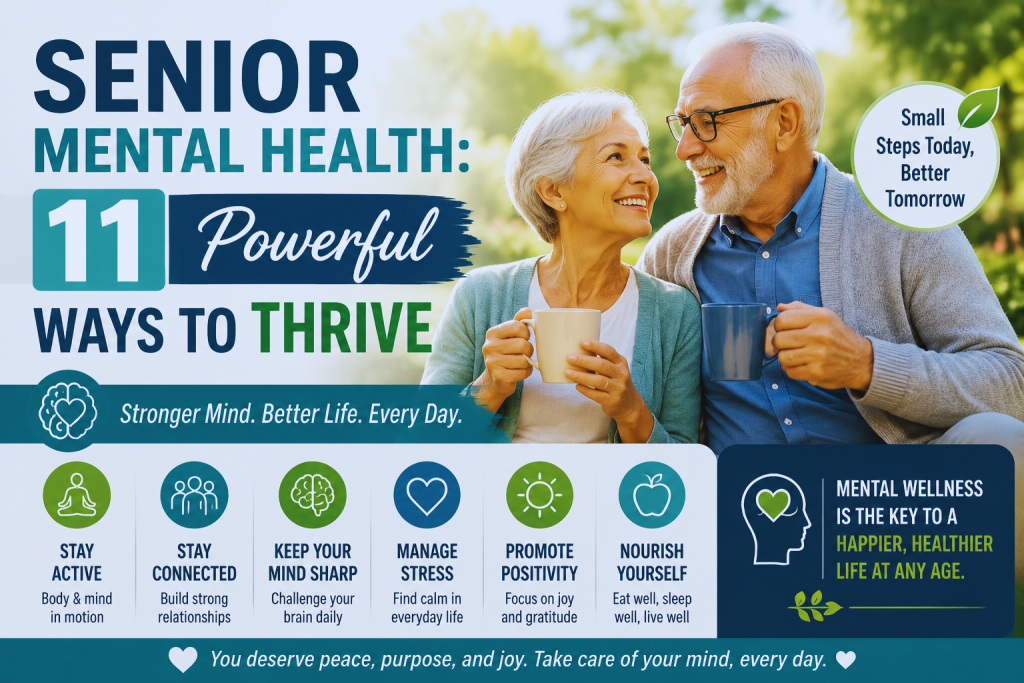
The following activities promote good mental health for seniors and are practiced every day.
Good habits build a solid basis for a healthy life throughout the years. Small habits practiced consistently have a more powerful effect than occasional lifestyle changes. Generally, older adults who use balanced routines are more emotionally healthy, have better memory, have more energy, and are more independent.
One of the best methods to help senior behavioral health is regular exercise. Walking, stretching, swimming, yoga, or low-intensity strength training increase blood flow, reduce stress, and encourage the release of endorphins, which are natural mood boosters. Exercise also reduces the risk of chronic diseases that can have a detrimental impact on older people’s mental state.
Good nutrition is also essential. A healthy diet that includes a sufficient amount of water, lean protein, healthy fats, whole grain carbs, and fruits and vegetables can help support the brain’s function as well as emotional well-being. Restricting processed foods, too much sugar, and alcohol are also a great way to maintain a stable mood and cognitive performance.
A good night’s sleep enables the brain to function properly. To get a good night’s sleep, seniors should have regular bedtime rituals, avoid caffeine later in the day, and make their bed area comfortable. Quality sleep enhances a senior’s concentration, emotional regulation, and behavioral health.
Another important habit is to keep the mind active. Reading, writing, learning new hobbies, playing strategy games, and attending educational classes are all ways to keep the mind active, improve memory, and foster mental flexibility, thereby encouraging lifelong learning. Quality time with family members, friends, and other community groups also helps ward off mental health issues in seniors, decrease feelings of loneliness, and provide emotional support.
Lastly, older adults should never be afraid to ask professionals for help when emotional issues become overwhelming. Often a small worry can develop into a large illness unless counseling, therapy, or medical treatment is provided as early as possible. Those who need more complex care can find mental health facilities for seniors that offer comprehensive treatment programs. When looking for a senior mental health facility near me or the best senior mental health facility near me, families should prioritize facilities that have multidisciplinary teams with experience in working with seniors, individualized treatment plans, and compassion and dignity-based care.
The following suggestions will help you maintain good mental health while caring for a person with dementia:
Taking care of an elderly person needs patience, understanding, and compassion. Family members and caregivers are essential in safeguarding seniors’ mental health, as they are typically the first to notice changes in mental or emotional well-being. The support of regular communication, emotional support, and encouragement may help older people stay confident and independent, and minimise the risk of depression and anxiety. Health Services for Older Adults. Good family dynamics also foster positive behavioral health among seniors, as they feel valued, heard, and respected within their family.
Seniors who are socially active are among the best ways to support their mental health. Family members should encourage them to: Share in conversations, attend family events, enjoy hobbies, and reach out to friends. Small and regular interactions can help minimize feelings of loneliness and boost emotional health. In addition, caregivers should promote regular exercise, healthy eating, and good sleep habits, as these factors positively impact seniors’ behavioral health and quality of life.

How and when to seek professional mental health care when you are a senior?
With family support, healthy routines, and lifestyle changes, many emotional challenges are manageable. But for some, professional intervention is needed to maintain and help improve the well-being of their minds and to stop mental symptoms from worsening. Understanding when to seek treatment can make a huge difference in treatment outcomes and well-being.
If sadness, anxiety, irritability, or emotional distress persists for several weeks, older adults should speak with a health care professional. These signs of loss of interest in daily activities, difficulty sleeping, altered appetite, persistent tiredness, excessive worry, or feelings of hopelessness are all indications of a medical problem. Any memory loss that disrupts functioning or sudden changes in personality should also be assessed shortly, as it can be a sign of a decline in mental health in seniors and dementia or another neurological disorder.
Seniors’ behavioral health specialists conduct a comprehensive evaluation to identify the source of emotional or mental issues. Treatment can involve counseling, medication, cognitive behavioral therapy, family education, and/or referral to specialists. Early intervention can often help prevent complications and extend the duration of independent living for seniors.
An explanation of Senior Behavioral Health Services.
Senior behavioral health services are tailored to the special emotional, psychological, and cognitive needs of older people. These services are not only for depression and anxiety. They are concerned with improving seniors’ mental health, maintaining their independence, strengthening family relationships, and enhancing quality of life.
Behavioral health therapy is a vital part of senior behavioral health. Family therapy helps enhance communication among family members, and individual counseling helps seniors talk about their emotional issues in private. This is the benefit of group therapy, which allows the individual to build emotional strength and reduce feelings of loneliness by hearing from others facing the same issues. Carefully managed medication monitoring can reduce side effects and promote mental well-being in seniors.
Some seniors can use community-based services; others need more intensive services. At those times, mental health facilities for seniors provide care from a range of professionals, including psychiatrists, psychologists, nurses, therapists, and social workers. For families seeking senior mental health facilities near me, it is important to find facilities that have personalized treatment plans, experienced professionals, and involve families in the treatment process regularly. The right senior mental health facility near me guarantees continuity of care and emotional stability in the long run.
There are various mental health facilities for seniors available to choose from. They come in several different types.
Treatment needs to be tailored to the individual older person, and not all older adults will need the same treatment. The services offered in the various senior mental health facilities differ depending on the severity of symptoms, medical conditions, and personal needs. This knowledge is important for educating a family about their options when selecting care and for ensuring that the family’s seniors remain mentally healthy.
Inpatient Senior Mental Health Facilities
For seniors who are having intense mood swings, suicidal thoughts, psychosis, anxiety, or depression, inpatient programs offer around-the-clock nursing care. These are specialized facilities that provide intensive care for seniors in a secure setting with medical personnel closely observing the patient’s progress. When there is an urgent need for help, families look for senior mental health facilities near them. A trusted senior mental health facility near me that provides inpatient treatment would have the ability to stabilize symptoms and help create a long-term recovery strategy that promotes long-term senior mental health benefits.
Outpatient Behavioral Health Programs
Outpatient programs provide seniors with senior drug treatment services while they stay in their own homes. These services include counseling, psychiatric consultations, medication management, and regular follow-up appointments. Outpatient senior behavioral health programs are best for those whose symptoms are not severe and can be safely treated without hospitalization. They promote independence and provide ongoing support for enhancing senior mental health over time.
Assisted Living Mental Health Services
A number of assisted living facilities are now offering specialized senior behavioral healthcare services within their care facilities as well. Emotional support, recreational therapy, and wellness activities are provided to residents, and regular mental health screenings are conducted. Staff members are trained to identify signs and symptoms of early warning and arrange for support from health professionals. These services play an important role in supporting seniors’ mental well-being and enabling them to stay connected and emotionally healthy in their communities.
Memory Care Communities
Memory care communities cater to seniors with Alzheimer’s disease and other dementias. Senior mental health facilities are highly structured and offer secure facilities, cognitively stimulating programs, behavioural therapies, and personalized care plans. Healthcare workers closely collaborate with families to treat behavioural symptoms and maintain dignity and independence. Families frequently explore senior mental health care facilities in their vicinity and look for the most suitable memory care program. Among the most important things for families to have when choosing a senior mental health facility near me is the assurance that their loved one will be getting specialized care and attention that will involve addressing both their cognition and their mental health. Telehealth Mental Health Services
The use of technology has expanded, making senior behavioral healthcare more accessible than ever. The telehealth program provides secure video visits with psychiatrists, psychologists, therapists, and counselors for seniors, from the comfort of home. This is a very useful feature for seniors with mobility issues or in outlying areas where senior mental health services might not be readily available.
Telehealth also helps caregivers – education, counseling, medication review, and follow-up appointments – without the need for frequent travel. Some complex cases still may need face-to-face care at mental health facilities for older adults, but virtual care is one of the effective ways to provide continuous mental health care for seniors. A nearby senior mental health facility may also offer families telehealth options, which can provide a great deal of flexibility for seniors who still need access to high-quality professional mental health providers and comprehensive behavioral health care.
When it comes to picking the best senior mental health facility, you will need to assess various factors to make the right choice.
A key decision for families when supporting an older loved one is the treatment center they choose. The level of care a facility provides can directly impact a person’s recovery, emotional health, and ability to remain independent in the long term. Each person in their later years has different needs, so the top senior mental health center near me for one person could be different from that of another. The services, healthcare professionals, treatment methods, and environment should be carefully considered before making a final choice.
The top behavioral health center should focus on senior behavioral health and have psychiatrists, psychologists, nurses, therapists, and social workers with expertise in the emotional and cognitive issues that accompany aging. A well-managed facility will provide personalized treatment plans, frequent health evaluations, medication management, counseling services, and family participation. It’s also a wonderful opportunity for families to see the cleanliness, safety protocols, staff interactions, and resident interactions when visiting the center in person.
Understanding what to look for when finding a mental health facility for seniors near you.
Numerous families look online for senior mental health facilities near me when they see changes in a loved one’s mood, behavior, or memory. It is crucial to consider the location, but it should not be the only consideration. It is the quality of treatment, experience, and services offered that has a far greater impact on seniors’ recovery and long-term mental health.
An effective senior mental health facility near me should offer thorough mental health assessments, one-on-one therapy, group therapy, medication management, cognitive testing, and crisis intervention services as needed. Family-involvement facilities achieve better results because family members are actively engaged in the recovery process. Regular communication with family members also supports orderly growth.
Modern mental health facilities for seniors would like to have an atmosphere that is comfortable, respectful, and supportive, in which older adults can express themselves without fear or hesitation. Recreational therapy, wellness programs, exercise classes, memory-enhancing activities, and social events all help to improve seniors’ behavioral health and fight feelings of loneliness and isolation.
Families looking for senior mental health facilities near me should also check for licensing and accreditation, staff qualifications, and emergency medical support. By entering this trusted senior mental health facility near me, older adults can access specialized care that helps foster emotional stability and cognitive wellness, leading to better mental health for years to come.
Questions to ask before selecting a mental health facility:
Families should gather as much information as possible before admitting an older adult to any treatment center. Asking the appropriate questions will help ensure that the facility is meeting the person’s emotional, medical, and personal needs and that the care provided is high quality. All decisions need to be based on promoting the senior’s dignity and independence and improving their mental health.
Families should inquire if the facility focuses on behavioral health for seniors, what kinds of therapy are offered, how medications are monitored, and if there are psychiatrists and psychologists on-site. It’s also key to know emergency procedures, the number of workers per patient, whether family members are allowed in, and how treatment plans are followed up over the years.
Another factor to consider is whether the facility provides memory support, rehabilitation, and/or specialised dementia care, if necessary. Occupational therapy, physical therapy, nutritional counseling, and wellness activities that are designed to facilitate recovery and not just psychiatric care are also offered in some mental health facilities for seniors.
Families use a comparison of several top-rated mental health facilities near me to determine which facility would be the most suitable for their loved one during the selection process. By selecting a senior mental health facility in my vicinity, I feel more confident that the older person will receive personalized and compassionate treatment that will lead to long-term mental health benefits.
There are a variety of treatment options available for older adults.
Today, there are many effective ways to treat emotional and psychological issues, and these circumstances can be managed to lead active, fulfilling lives. It is important to receive a proper diagnosis and to have a care plan tailored specifically for you and your individual needs to treat the condition and improve your mental health.
Counselling is still one of the most successful forms of therapy. Older adults can discuss emotional issues in individual therapy, and family counseling can help enhance communication skills among family members. Cognitive Behavioral Therapy (CBT) can assist seniors in identifying the negative thought patterns and changing them with more positive coping mechanisms. They are commonly implemented in senior behavioral health programs because they yield sustained improvements in emotional resilience.
Medications may also be suggested if appropriate. Prescribing and monitoring of antidepressants, anti-anxiety drugs, or psychiatric treatment should always be done by qualified health care professionals with experience in senior behavioral health. Periodic medicine review helps to minimise side effects and maintain the safety and effectiveness of treatment.
Group therapy fosters social interaction and allows seniors to see that they are not dealing with problems by themselves. Recreational therapy, music therapy, art therapy, and physical exercise are also effective in enhancing seniors’ mental health, improving mood and confidence, and supporting cognitive function.
Mental health facilities for seniors offer complete therapy packages that include therapy, medication management, rehabilitation, and continual medical supervision, which can be suitable for those who require more intensive support. Families who do the research when looking for senior mental health facilities near me will find that there are some facilities that have programs that are tailored to older adults. A good senior mental health center near me will ensure that all aspects of treatment are dedicated to restoring emotional balance, making every move count. Wellness and independence.
Medicare and Insurance Coverage for Senior Behavioral Health
Seniors’ mental health is a key element in access to affordable healthcare. Some older adults may think that mental health services will be too costly, but this can be addressed by a combination of insurance programs and healthcare plans. Families should review the available coverage and benefits included in the insurance, as these vary by country, insurance provider, and individual policy.
Numerous insurance policies cover psychiatric appointments, counselling, therapy sessions, medication management, hospitalization, and outpatient senior behavioral health. Some plans also help cover the cost of care at designated mental health care centers for seniors, making specialized care easier to access.
Families need to check with their insurance provider and treatment center to be sure they are covered for the treatment services they are interested in. This is particularly crucial when searching for mental health facilities near me for seniors since coverage can differ from one facility to another. A reputable senior mental health facility close to me will have personnel who can explain payment options, insurance claims, and financial aid, and who can guarantee that quality senior mental health care will be available.
Mental health programmers of WHO and Government. WHO and Government Mental Health Programmed.
As the world’s population ages, governments and international health agencies are prioritizing mental health for seniors. Raising awareness about mental health issues through media campaigns leads to early diagnosis, decreases the stigma attached to mental illness, and increases the availability of professional mental health services.
The World Health Organization (WHO) emphasizes the importance of healthy ageing through physical activity, social engagement, cognitive stimulation, and timely interventions for depression, anxiety, and dementia. National health care agencies also fund research on improved ways to provide mental health care to older adults, caregiver education, community support services, and senior behavioral health programs.
Various governments are working to increase the availability of mental health care for seniors and to promote the provision of telehealth, memory care, and integrated healthcare that combines mental and physical health care. These efforts make it easier for families seeking senior mental health facilities near me to locate high-quality facilities and help ensure that all senior mental health facilities near me uphold the standards of patient safety, dignity, and effective care.
Conclusion
Taking care of seniors’ mental health is essential, just as caring for their physical health is. Older individuals may experience issues, such as isolation, long-term illness, memory loss, loss of a loved one, or significant life changes. These hurdles should not take away their quality of life, though. Older people can live full, active, and independent lives if they have timely access to senior behavioral health services, healthy lifestyle habits, and strong family support systems when signs of behavioral health problems are first noticed.
Don’t overlook emotional and behavioral changes, whether when caring for yourself or for an older adult. Timely and proper consultation with a professional can help prevent minor issues from developing into serious conditions. For some, finding the right mental health facility can mean conducting research on mental health facilities for seniors, comparing senior mental health facilities near me, and opting for a reliable senior mental health facility near me that can offer the expert treatment and compassionate support required for long-term recovery.
Keep in mind that well-being is a component of healthy ageing, including mental health. By emphasizing senior mental wellness, supporting communication, breaking down stigma, and leveraging available health care services, families and caregivers can help seniors live more emotionally balanced lives, build stronger relationships, and experience a more positive quality of life for many years to come.
Frequently asked question:
What mental disorders are associated with age?
Age-related mental disorders are mental disorders that are typical of older adults at an older age. Although the aging process is not a cause of mental illness, some physical, emotional, and lifestyle changes can make it more likely to be. Depression, anxiety disorders, dementia, Alzheimer’s disease, bipolar disorder, and late-life schizophrenia are the most prevalent mental disorders in the elderly. Loneliness, grief, and stress can also affect senior mental health for many seniors who have retired or lost loved ones. All these conditions can be managed with early diagnosis, healthy lifestyle habits and professional senior behavioral health services to enhance the quality of life.
What steps can I take to improve my mental well-being?
Taking charge of your mental health begins with making healthy lifestyle choices and reaching out for help when necessary. Good mental health for seniors is important, and it’s aided by regular physical exercise, a balanced diet, quality sleep, and social connection. Hobbies, volunteering, mindfulness, and keeping the mind engaged with reading or puzzles are other great ways to boost emotional health. People who do not improve within a few weeks should consider talking to a health care professional if they still feel sad, anxious, or lonely. Mental health problems can become more serious if they are not treated early, as a senior, through behavioral health services or counseling.
What are the severe mental illnesses?
Serious mental disorders are a condition that has a significant impact on a person’s thoughts, emotions, behaviour, and performance of daily activities. These range from major depression, bipolar disorder, schizophrenia, severe anxiety disorders, obsessive-compulsive disorder (OCD), to post-traumatic stress disorder (PTSD) and late-stage dementia. Untreated depression and dementia are among the most serious issues in older people, as these conditions can impact memory, decision-making, and independence. These can be treated with medication, counselling, and mental health facilities designed for professionals, which can help geriatricians manage these conditions and boost senior mental well-being.
Which is the most prevalent form of mental illness in the elderly?
While anxiety and dementia are also very common in older people, depression is widely recognised to be one of the most common mental health disorders. Many seniors suffer from depression without realizing it, and many symptoms are confused for those of normal aging. Common symptoms include sadness, loss of interest in activities, fatigue, changes in appetite or eating, sleep problems, and social isolation. Depression is a treatable condition that can be effectively managed with early detection and diagnosis, the right treatment for older adults, family support, and healthy lifestyle changes. If the symptoms are severe, the health care worker may suggest a specialized senior mental health center for complete care.

Welcome to USA Senior Citizen, a trusted resource dedicated to helping older adults live healthier, happier, and more independent lives.
Our mission is to provide valuable information, practical tips, and helpful guidance for seniors and their families. We cover important topics including **senior health, retirement planning, senior living, caregiving, technology for seniors, and everyday lifestyle solutions**.
At USA Senior Citizen, we believe aging is not about slowing down — it is about embracing new opportunities, staying connected, and enjoying every stage of life. Our goal is to make life easier for seniors by sharing simple, reliable, and easy-to-understand information that supports better decisions and improved well-being.
Whether you are looking for advice on maintaining a healthy lifestyle, exploring retirement options, learning new technology skills, or finding ways to stay active and independent, USA Senior Citizen is here to guide you.
We are committed to creating a supportive online community where seniors can discover useful resources, gain confidence, and continue living life with dignity and purpose.
USA Senior Citizen — Empowering Seniors to Live Better Every Day.